Inaugurated 24 January 2024. NCERT curriculum based simulations for Class KG to 12, including a full International Space Station experience. From walking through the International Space Station to visualizing concepts no textbook diagram can capture, the VR Lab makes abstract ideas tangible for every grade, KG through 12.
How virtual reality at MMS grew from a homemade classroom experiment into a full VR Lab used by every grade, KG through 12.
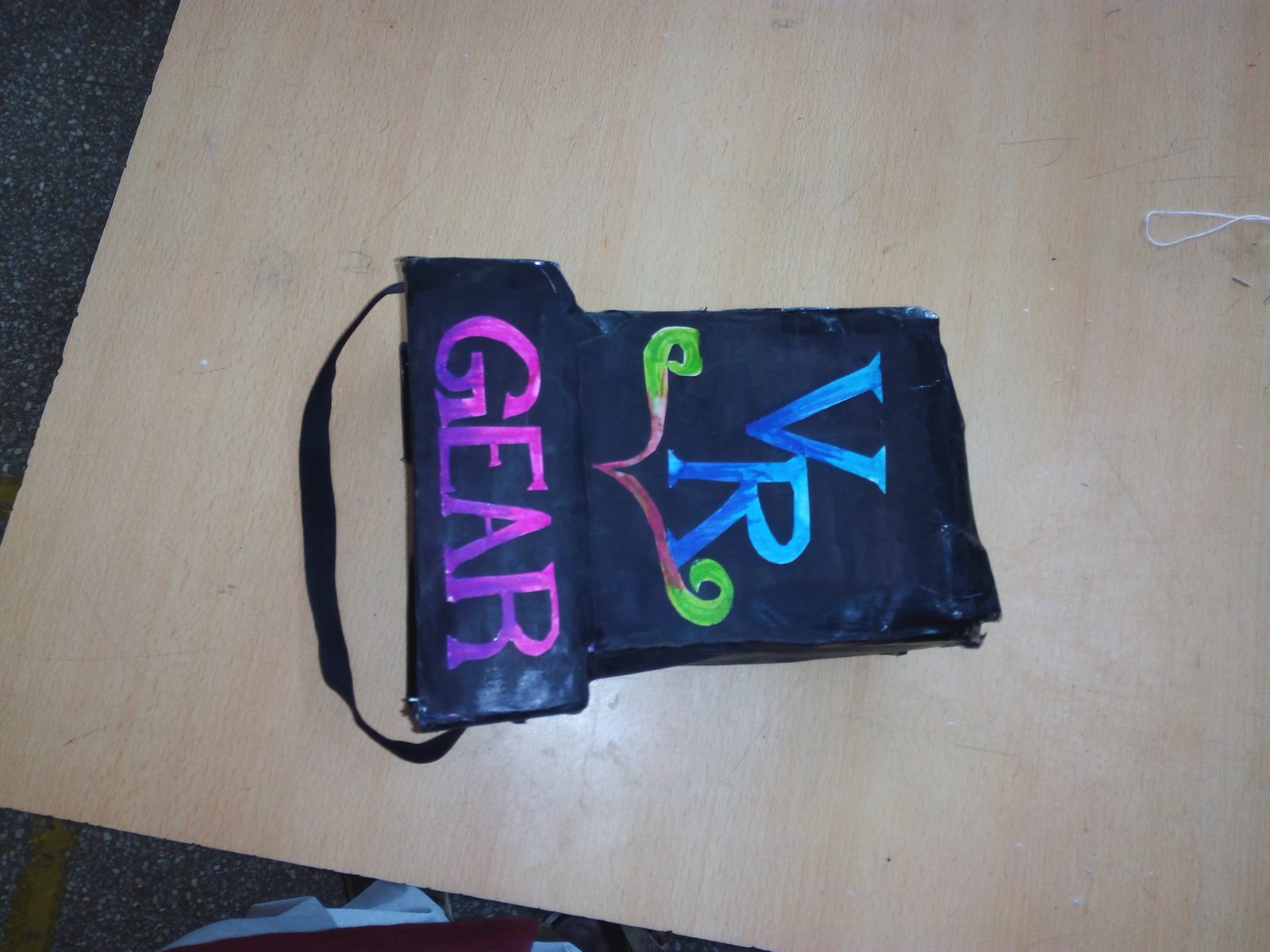
In 2014, long before a dedicated VR Lab existed, MMS developed its own VR viewing device and held classes using it, an integrated approach that applied the converging and diverging properties of lenses on light to build a working virtual reality viewer by hand, complete with lenses and a strap, using ordinary smartphones as the screen.
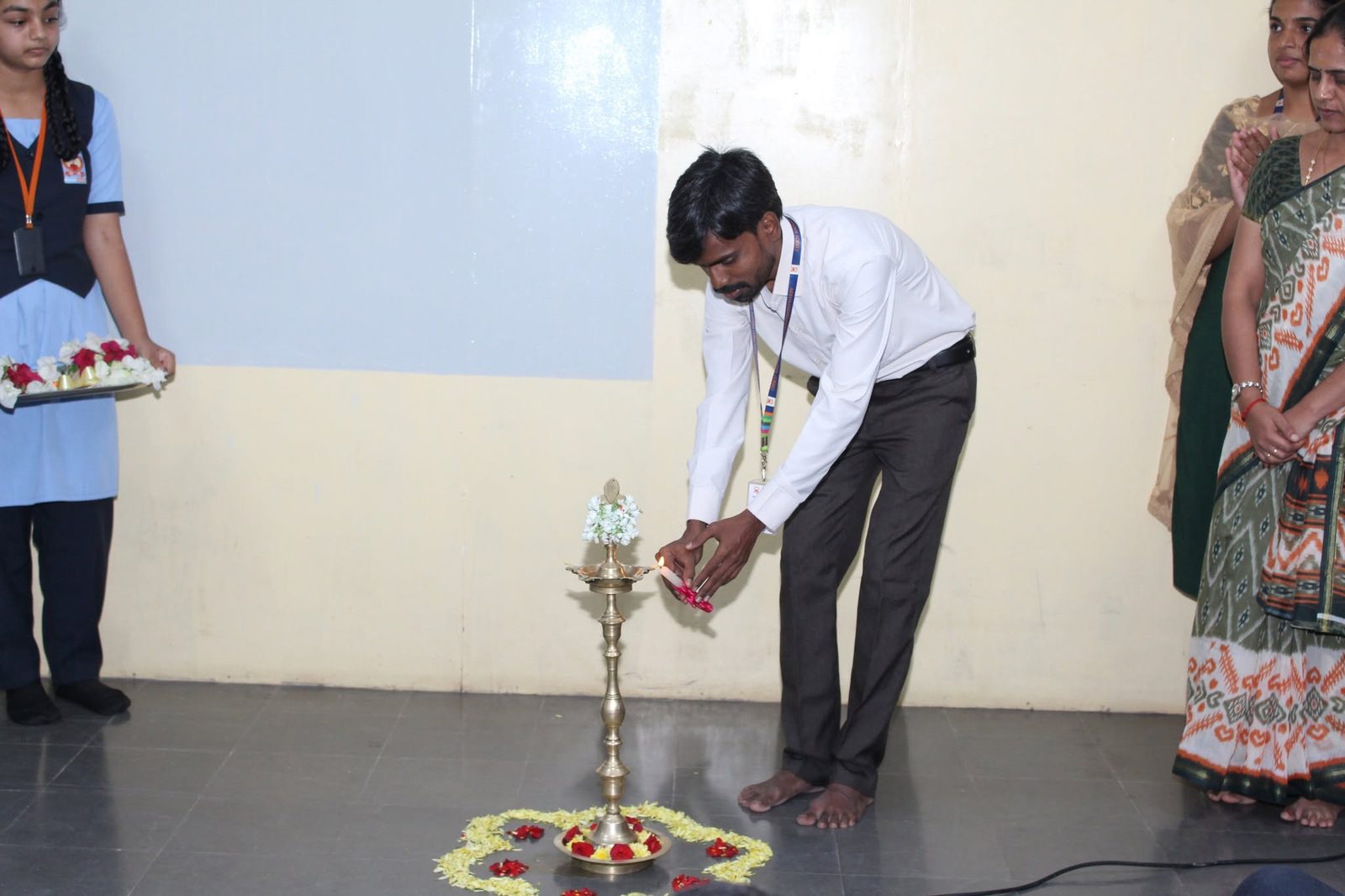
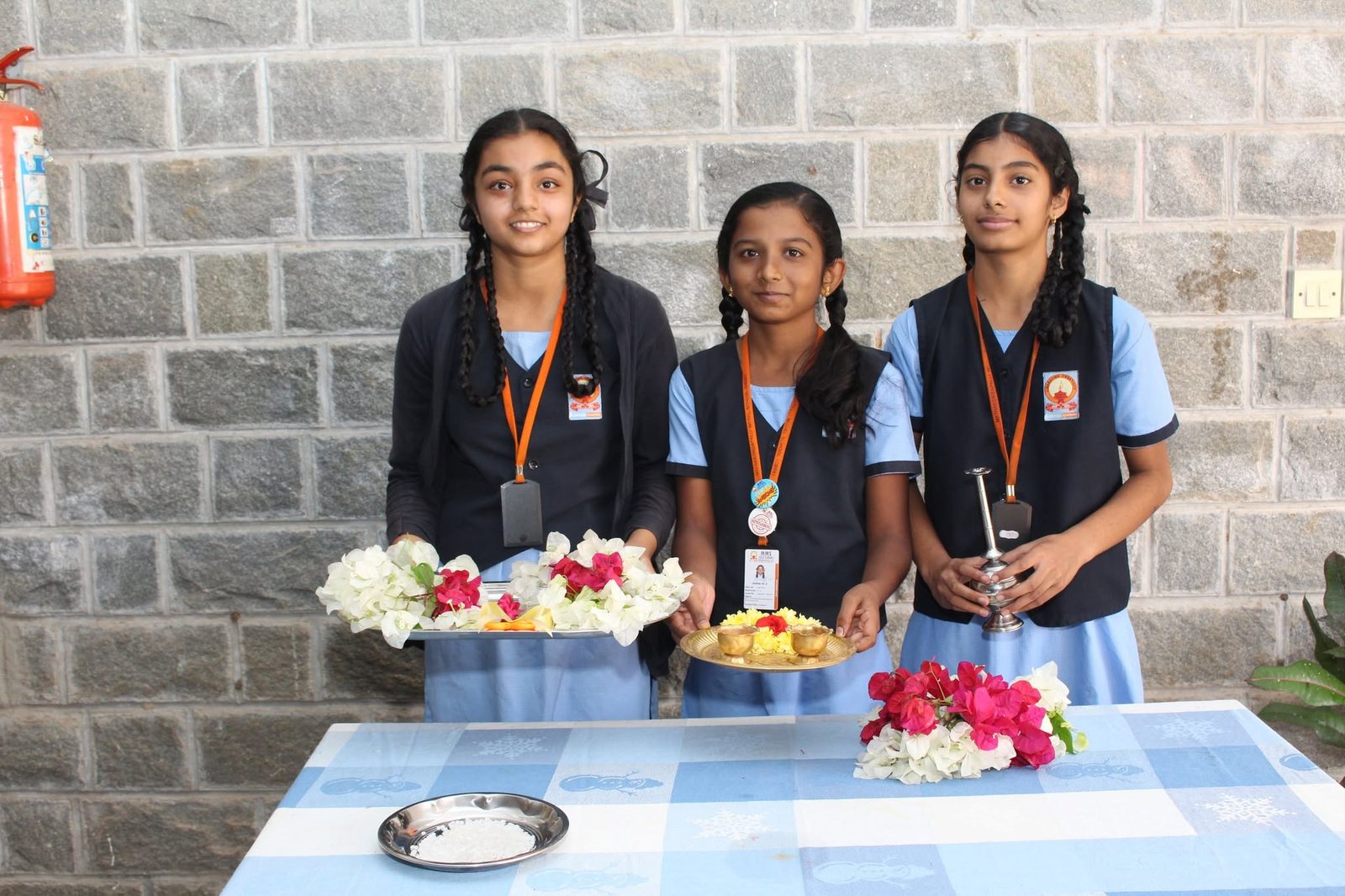
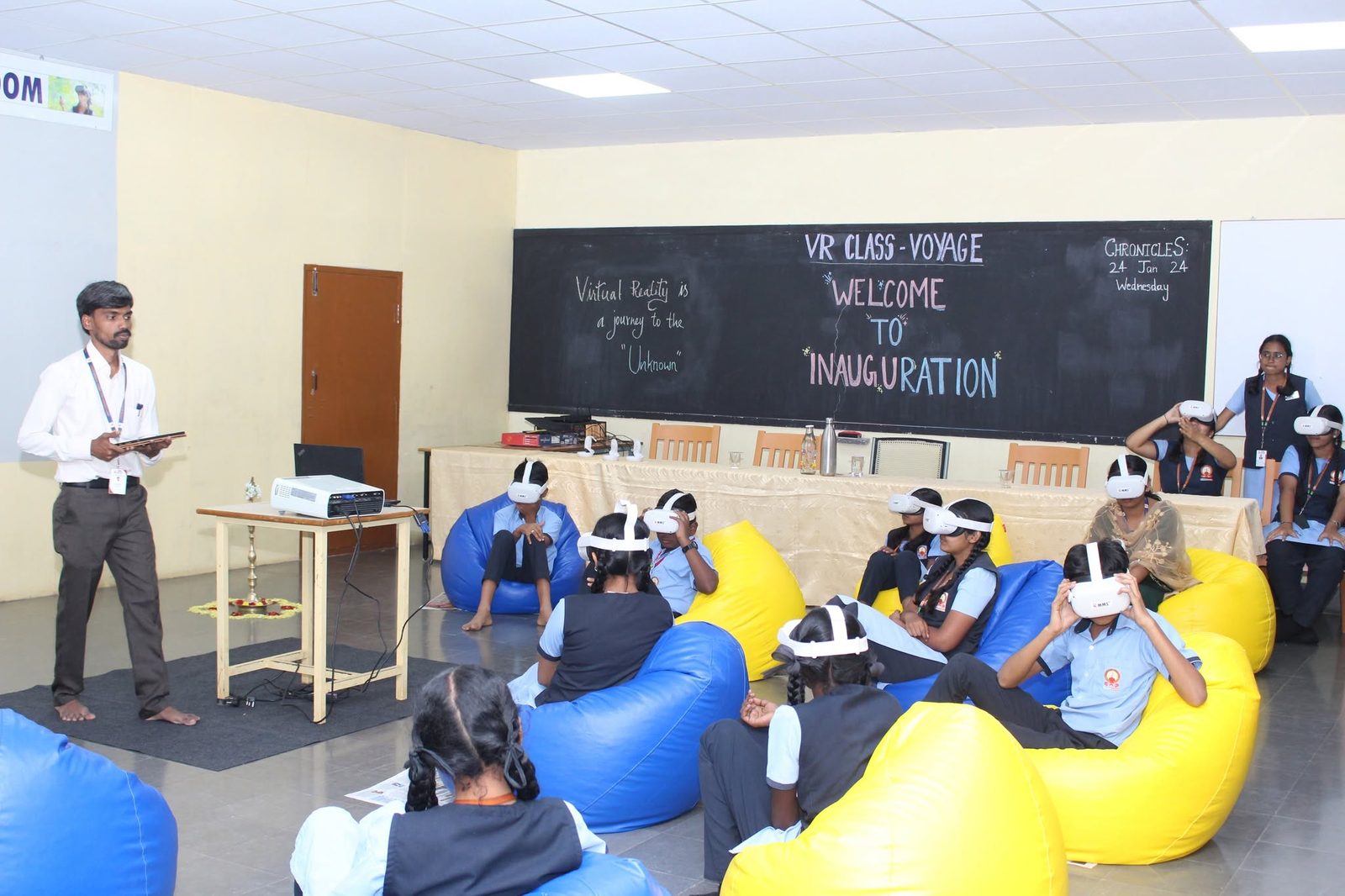
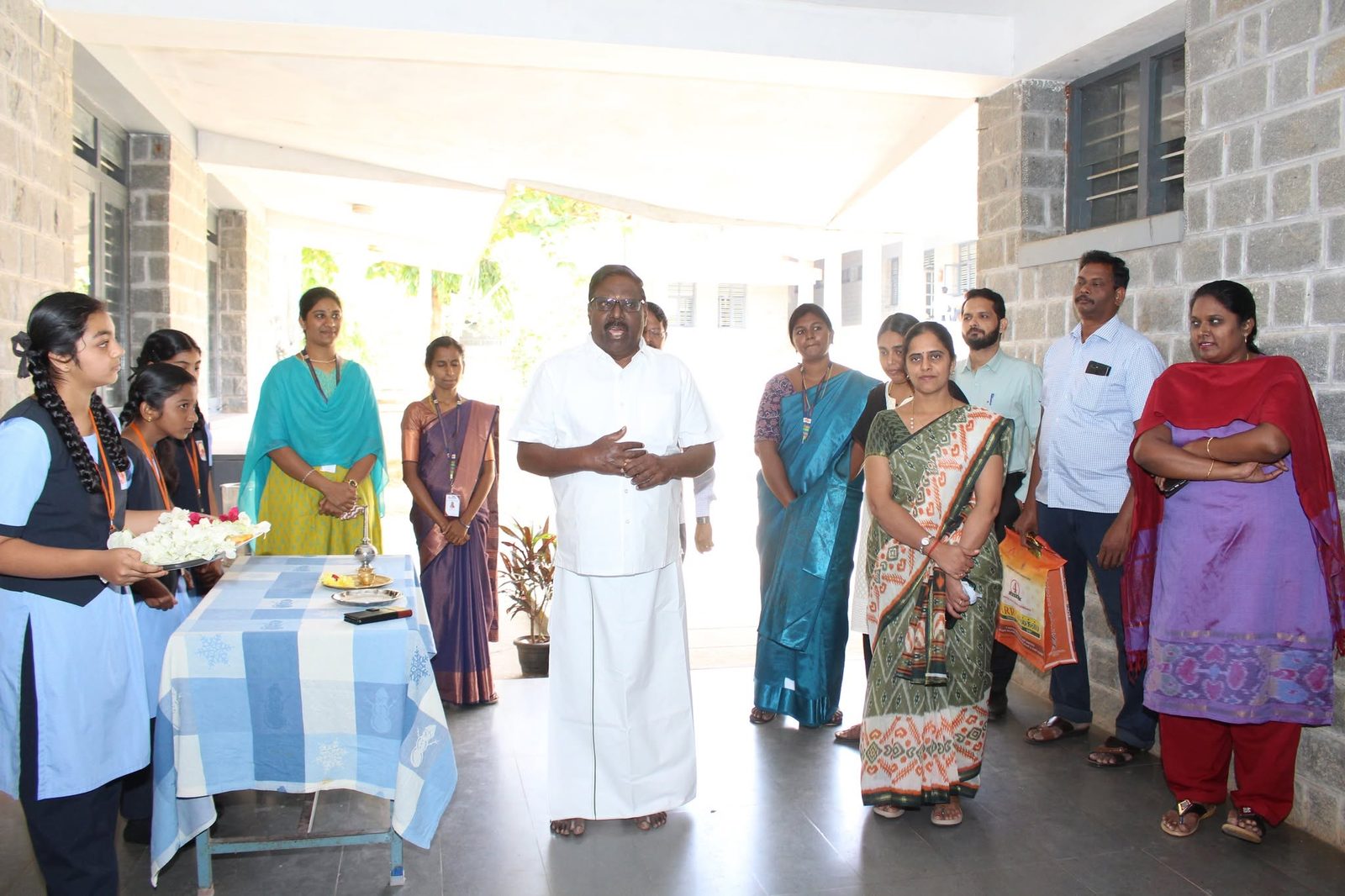
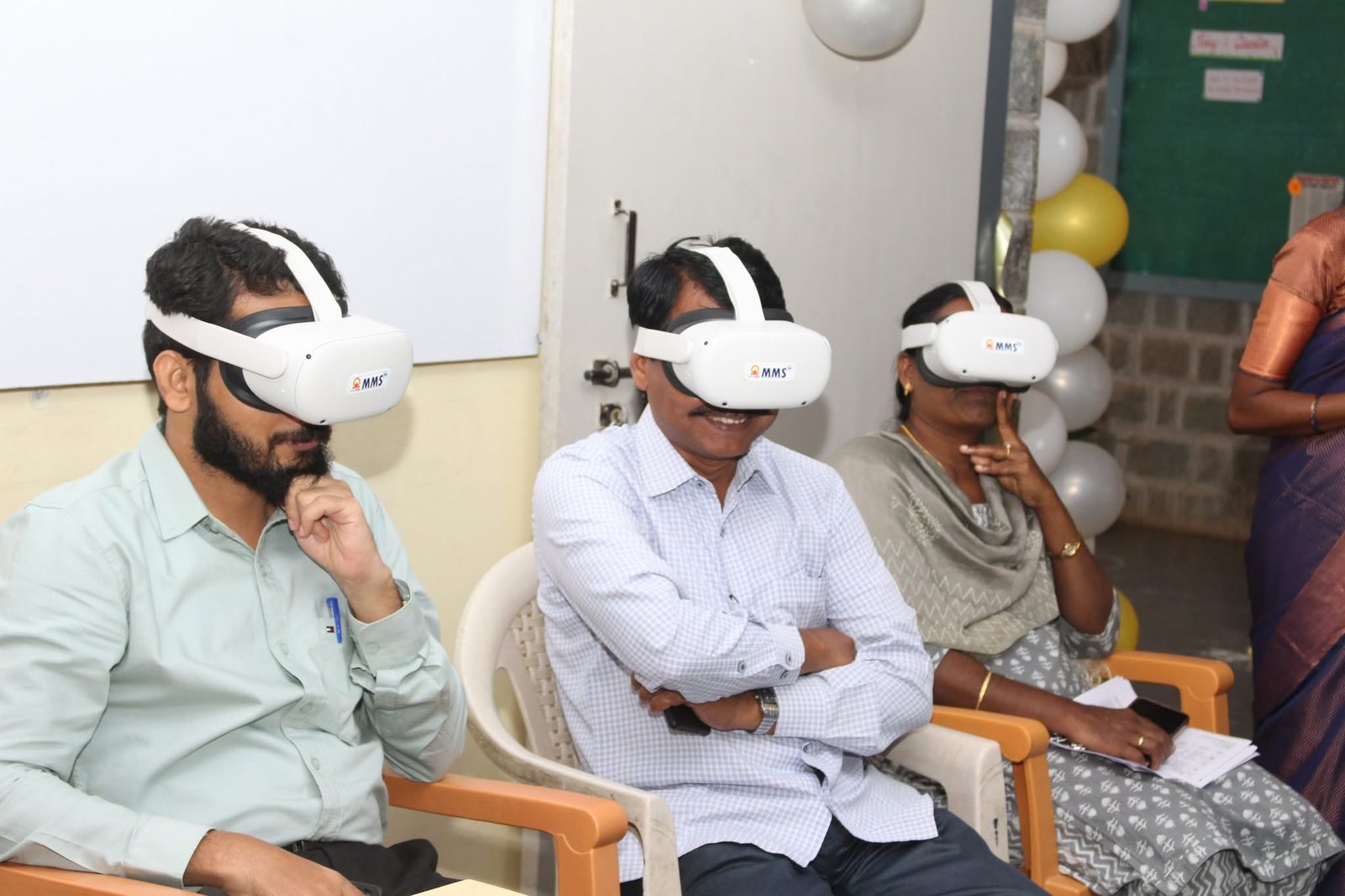
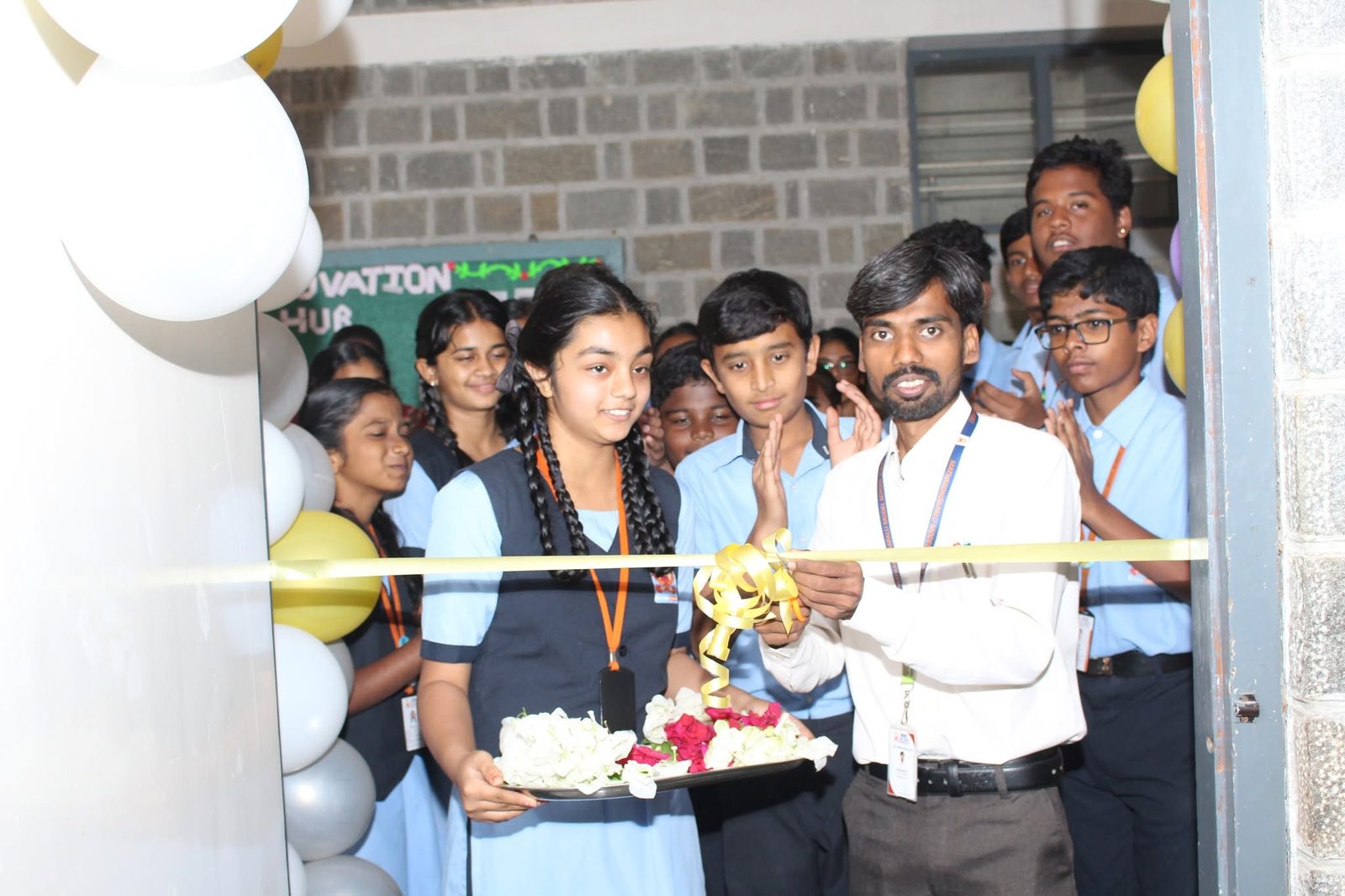
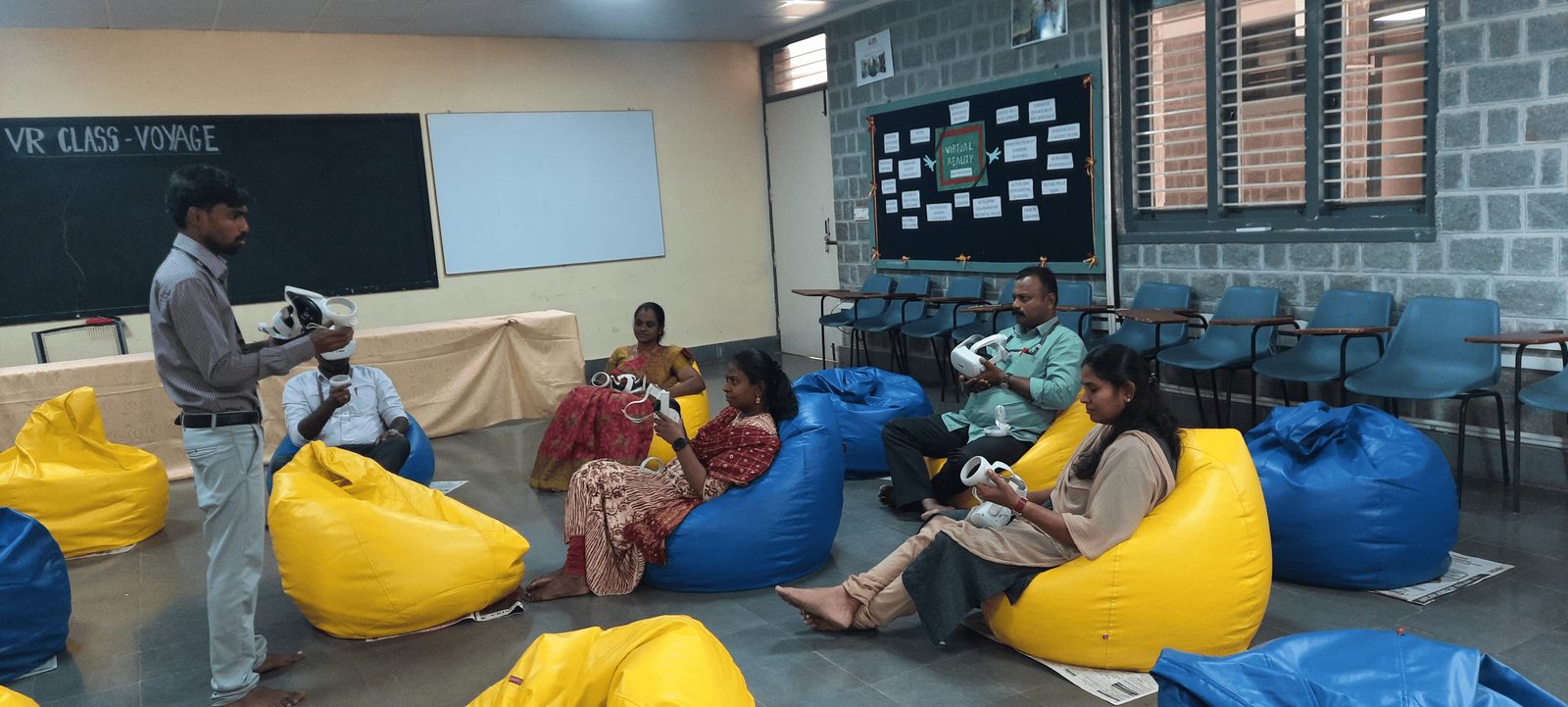
On 24 January 2024, MMS inaugurated its dedicated Virtual Reality Classroom under the theme “Virtual Reality is a journey to the Unknown.” School leadership, staff and students marked the occasion with a traditional lamp lighting ceremony and ribbon cutting, before the first VR Class Voyage session, where guests, teachers and students alike put on the headsets together.
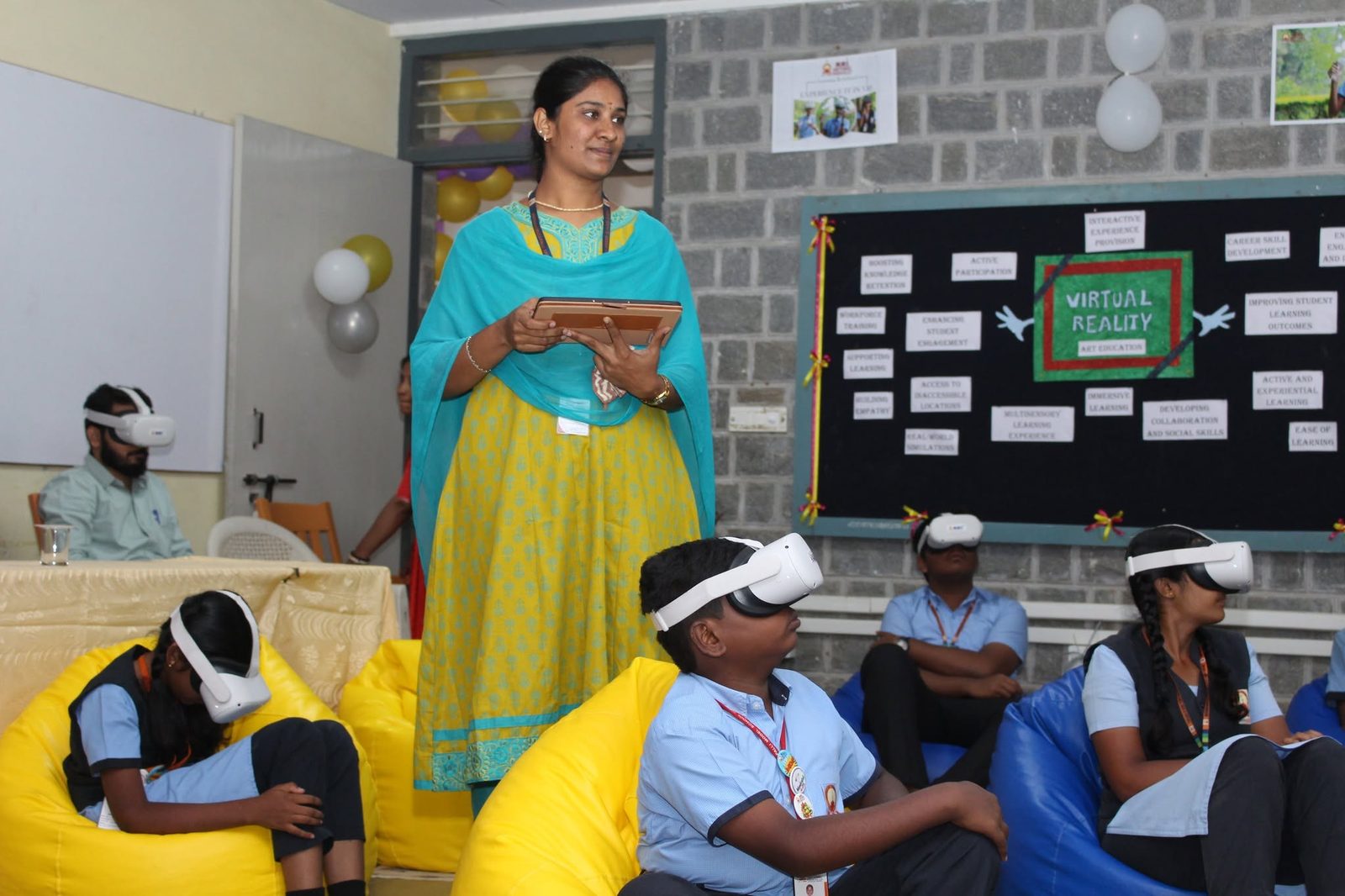
The VR Lab now runs full VR headset sessions for students across every grade, alongside regular staff training so every teacher can bring VR into their own classroom.
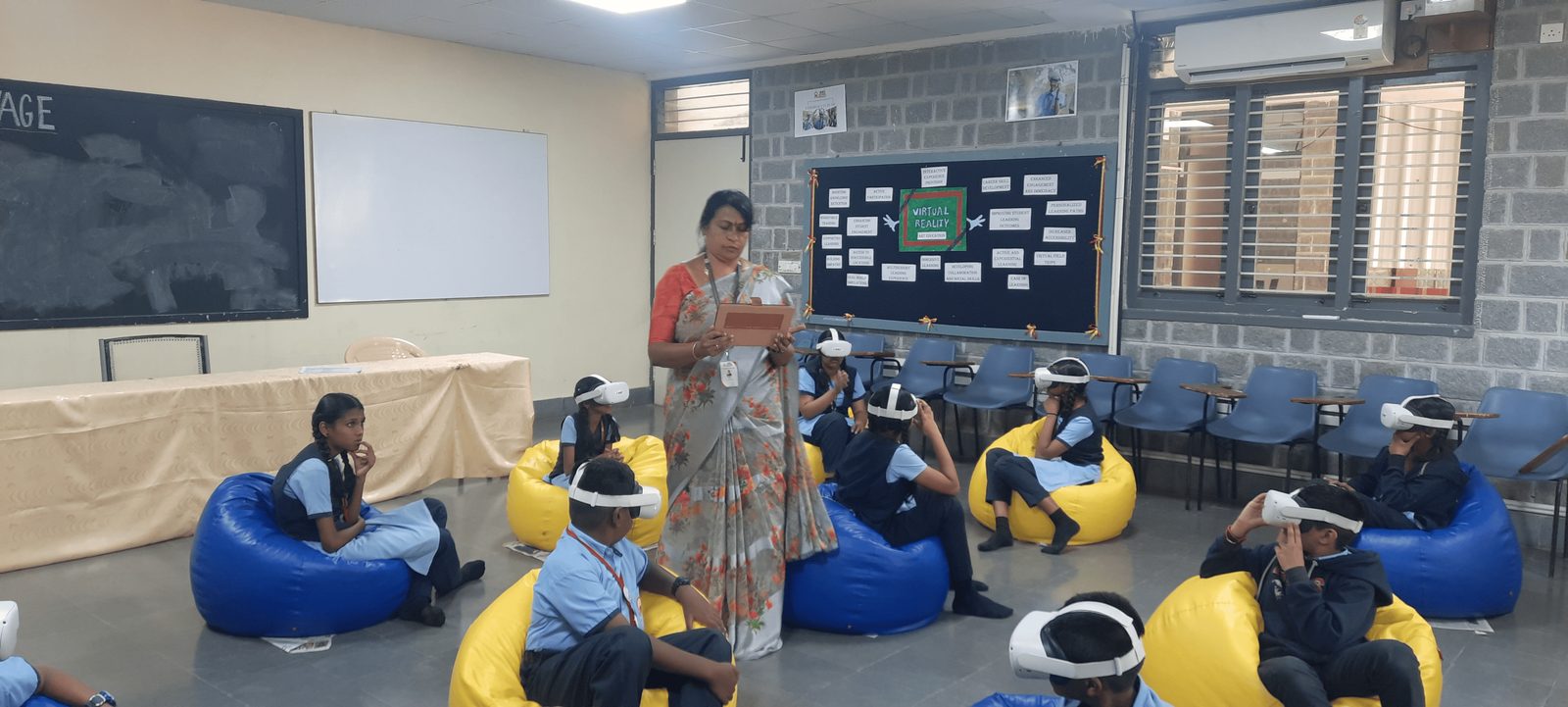
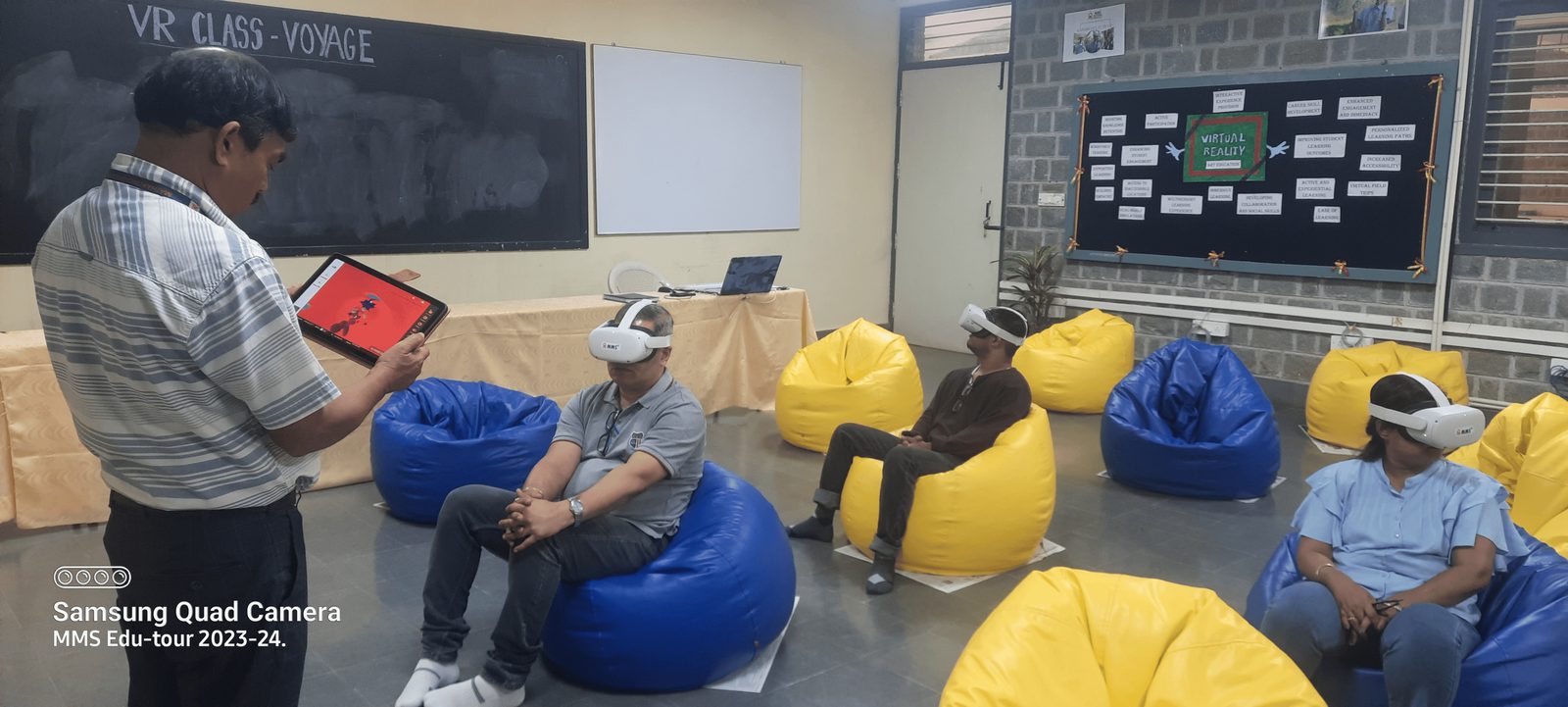

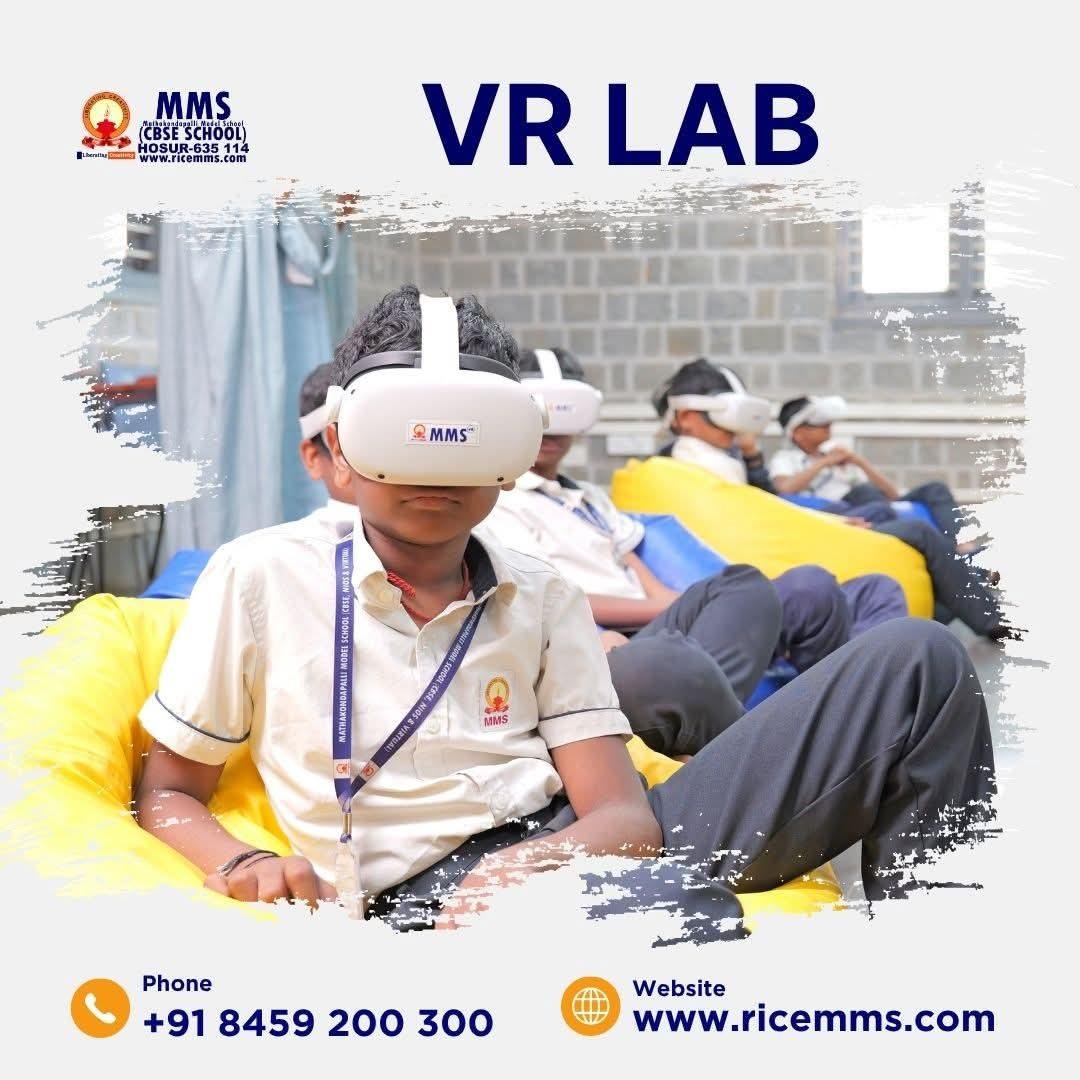

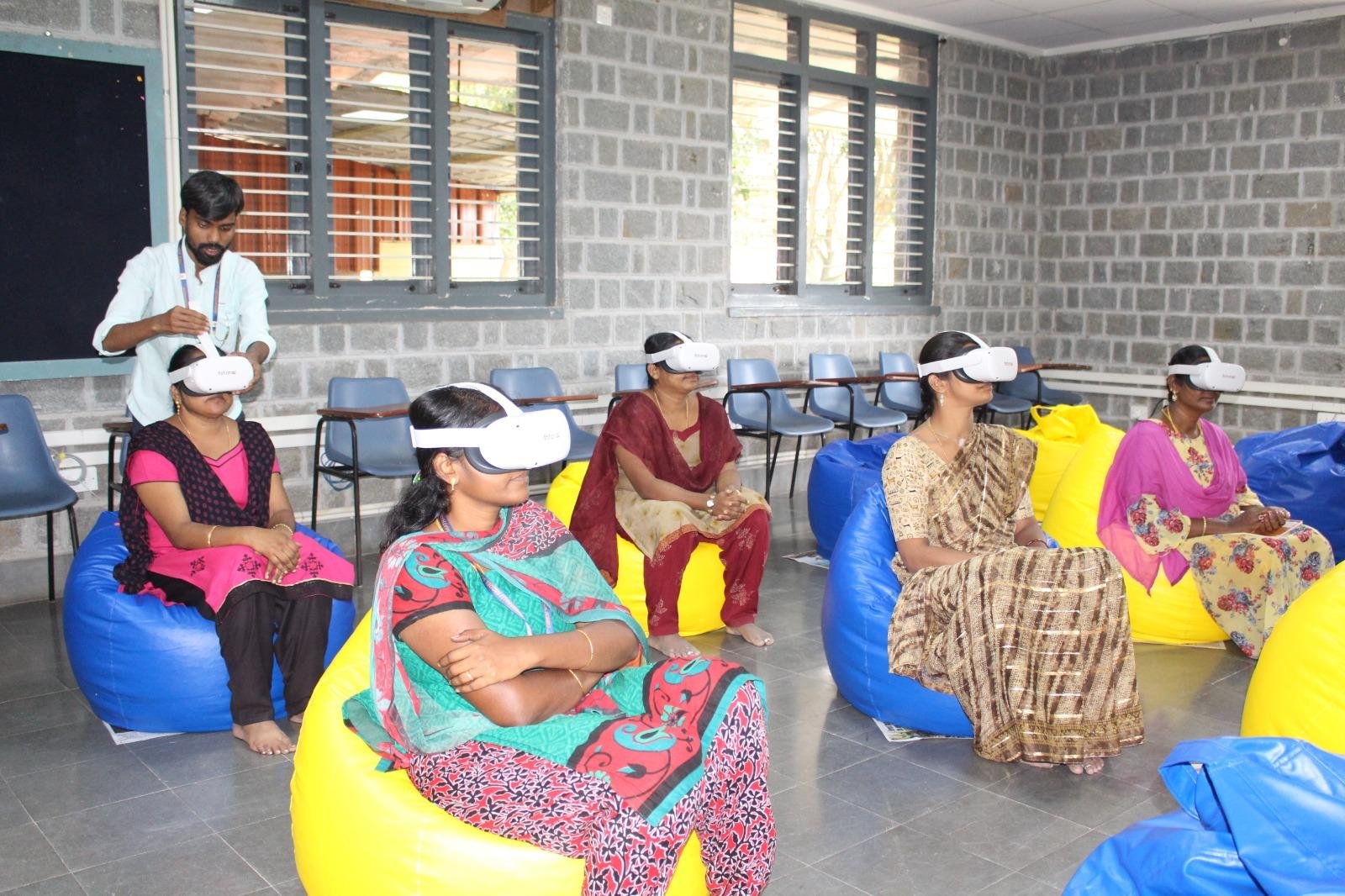
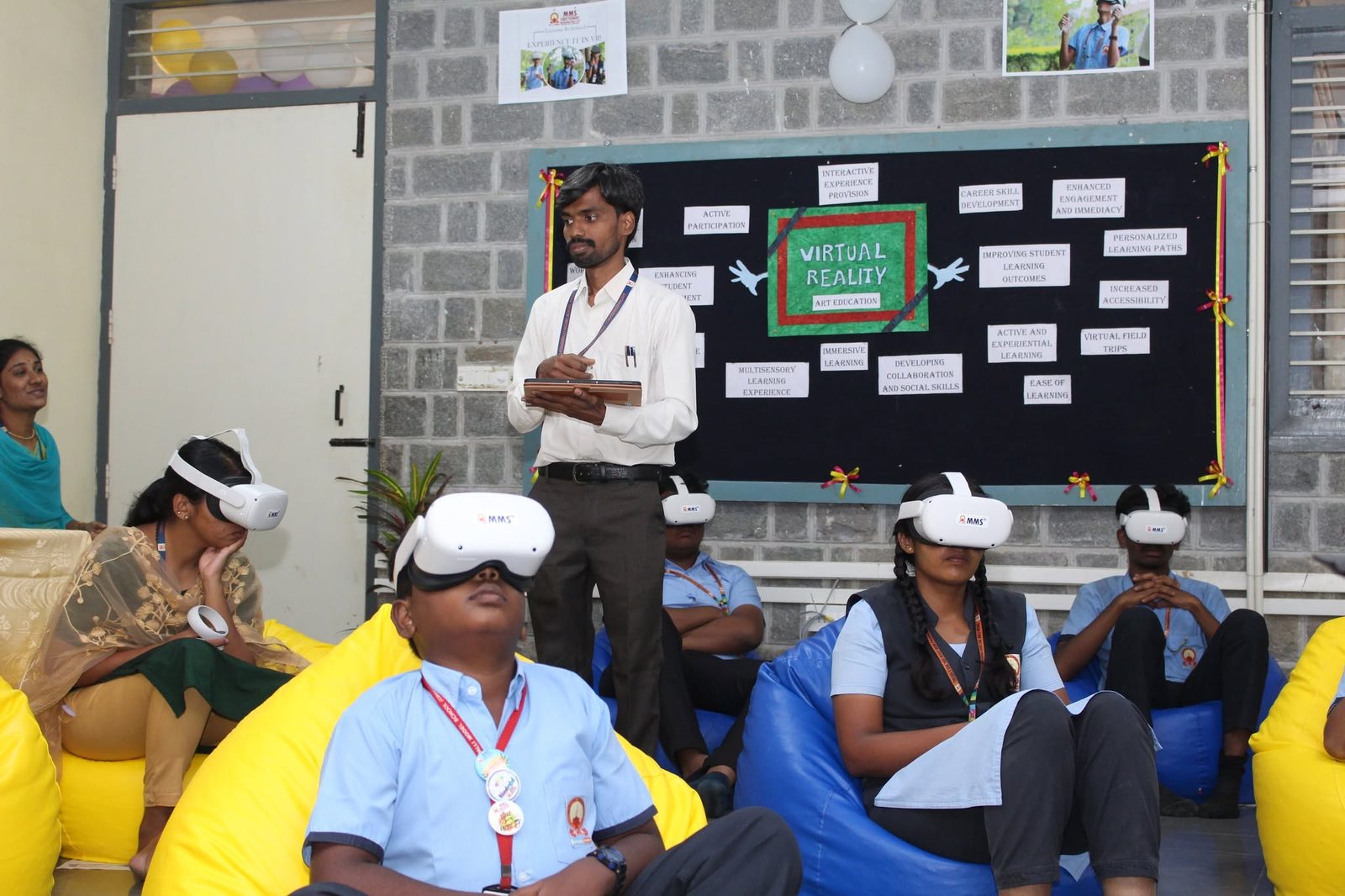


Alongside NCERT curriculum simulations, the VR Lab is a space for experiences students could not otherwise have on campus.
Walking through the International Space Station and exploring the solar system in full virtual reality.
Practicing fire safety and extinguisher use in a realistic simulation, with zero real world risk.
Assembling and dismantling a virtual robot dog to learn what is inside it and how each part works.
Choreographing and performing a dance routine together with a virtual robot partner.
Starting with a simple paper rocket model and building up to a full virtual rocket launch experience.
Art integration in the VR Lab, painting and sculpting in three dimensional virtual space, already introduced to students as part of the VR classroom sessions. Full details and more photos coming soon.
This section is reserved for the VR Lab in-charge's name, photograph, and note, to be added through the site's content editor at any time.
VR Lab content is mapped chapter by chapter to the CBSE/NCERT curriculum, from Pre-Primary through Grade 12. Immersive VR modules put students inside a concept for guided classroom sessions, while interactive AR modules let them manipulate a model on a tablet or phone individually. Together they cover Maths, Science, Social Science, English, Hindi and EVS.
Foundational AR and VR modules that build first concepts through comparison, play and everyday observation.
Everyday concepts brought to life, from shapes and animals to India's rivers and the water cycle.
Core NCERT Science and Maths chapters, alongside History and Geography from ancient empires to plate tectonics.
The full CBSE board-year Science and Maths syllabus, plus History and Geography through to modern India.
Advanced Biology, Chemistry, Physics and Maths visualisation for board and competitive exam preparation.
The lists above are a representative sample of the full VR and AR concept catalogue used to plan classroom sessions. Teachers at the Centre of Excellence can pull the complete chapter-and-concept mapping for any grade on request.
Many of the chemistry, physics and biology chapters above involve experiments that are hazardous, expensive, or hard to repeat for every student on a real bench. Inside the VR Lab, students run the same experiments as many times as it takes to understand them, with no risk of burns, fumes, breakage or injury. This happens alongside, not instead of, hands-on time in the Centre of Excellence's own Science Lab.
Acid-base neutralization, the combustion of magnesium ribbon, and metal displacement reactions, watched up close with no risk of burns, fumes or broken glassware.
Electric circuits, electroplating, and the working of a galvanic cell, seen from the inside instead of a single diagram on a textbook page.
The structure of the human heart, the frog reproductive system and the stages of cell division, explored in full 3D rather than on a single dissection tray.
Selected models (a full 3D animal cell, for instance) come to the classroom smart board as well, so the whole class can point, rotate and explore together. This is exactly how Pre-Primary to Grade 7 classes experience VR Lab content, as a shared flat-screen session, headset or not.
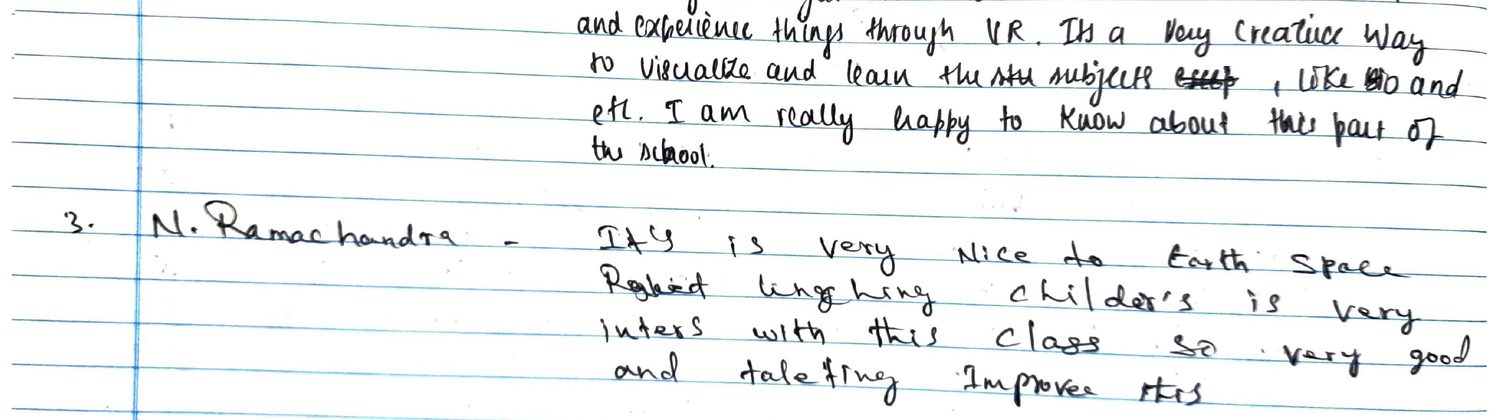
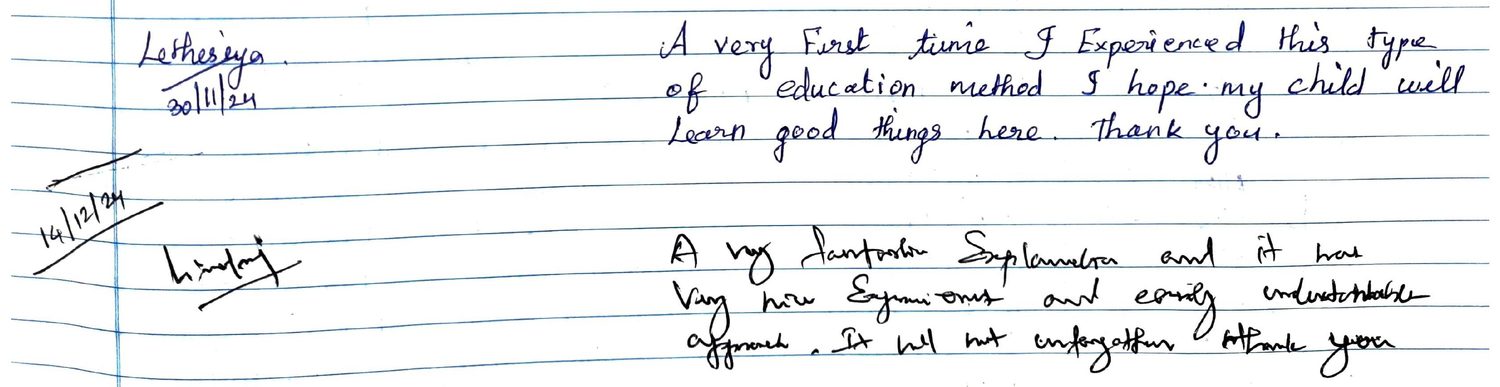
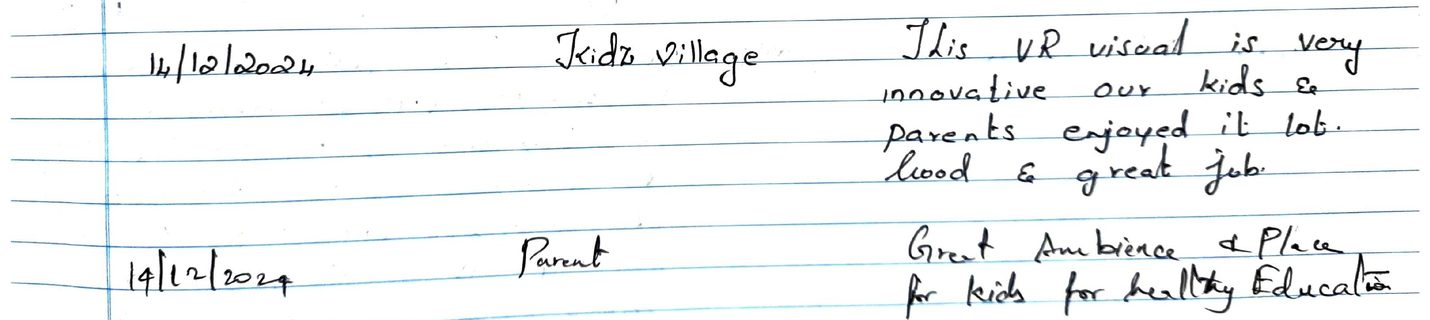
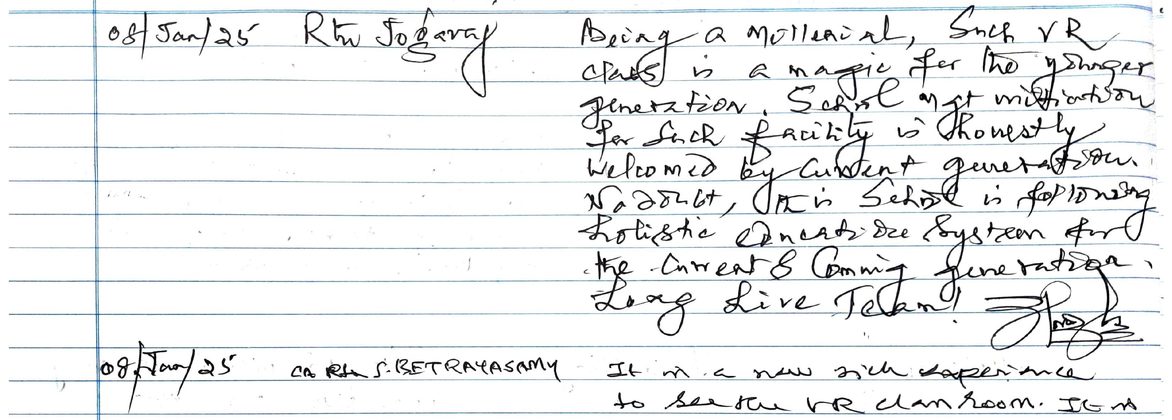
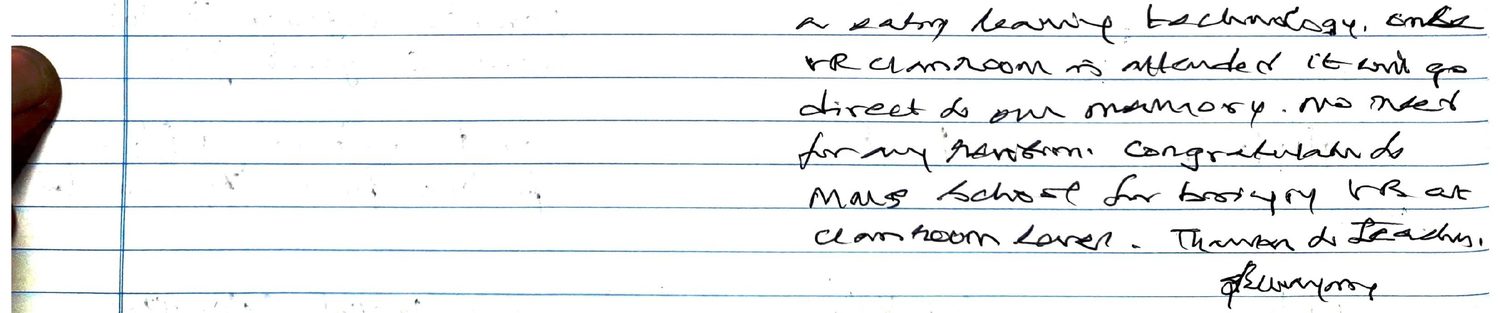
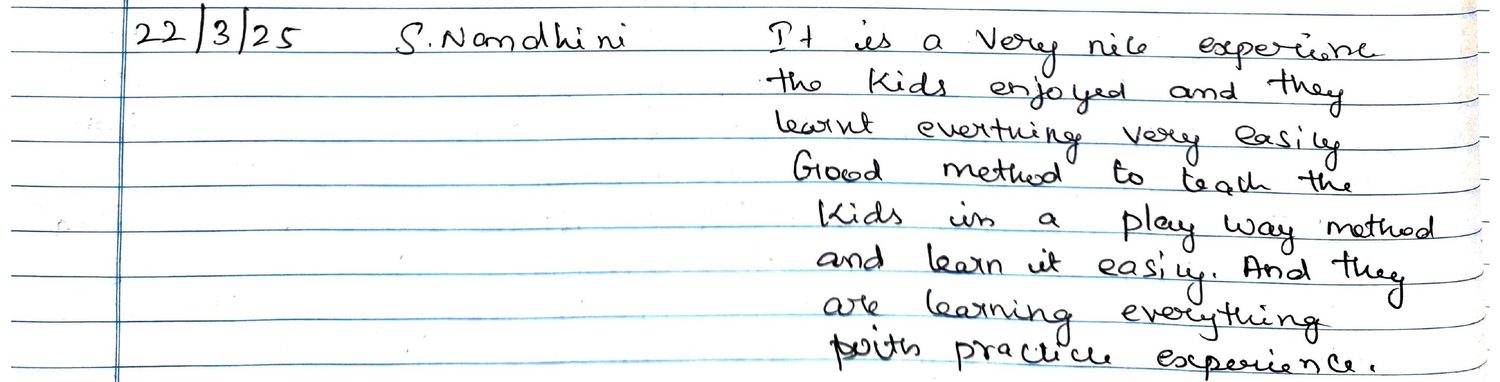
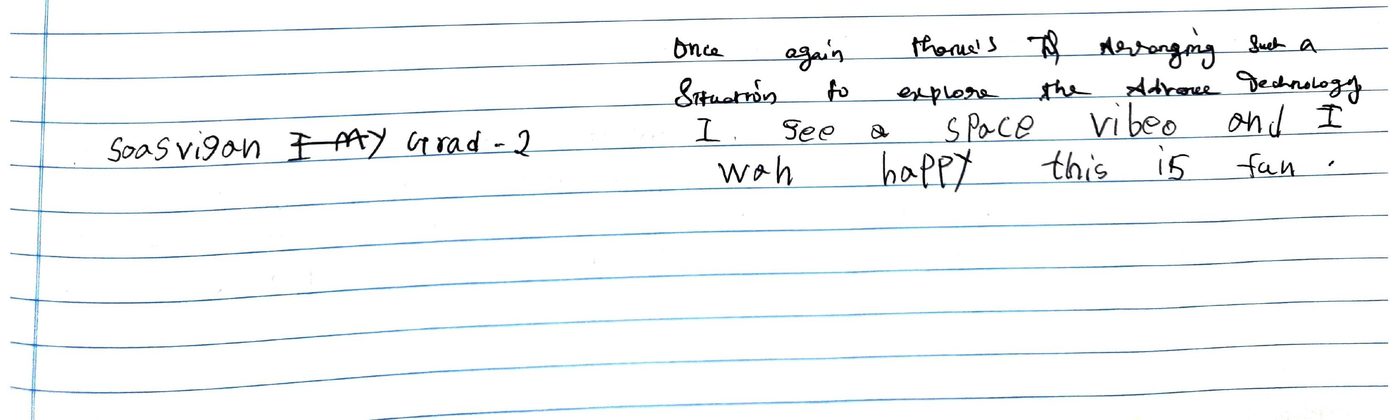
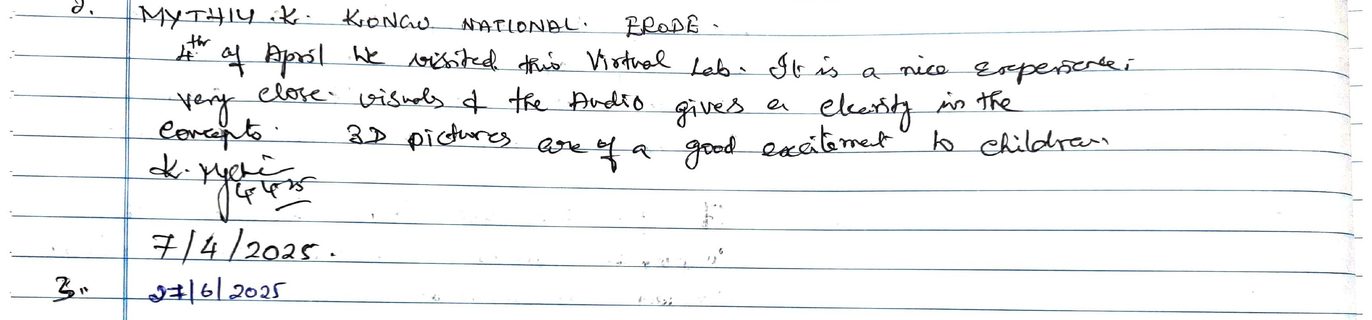
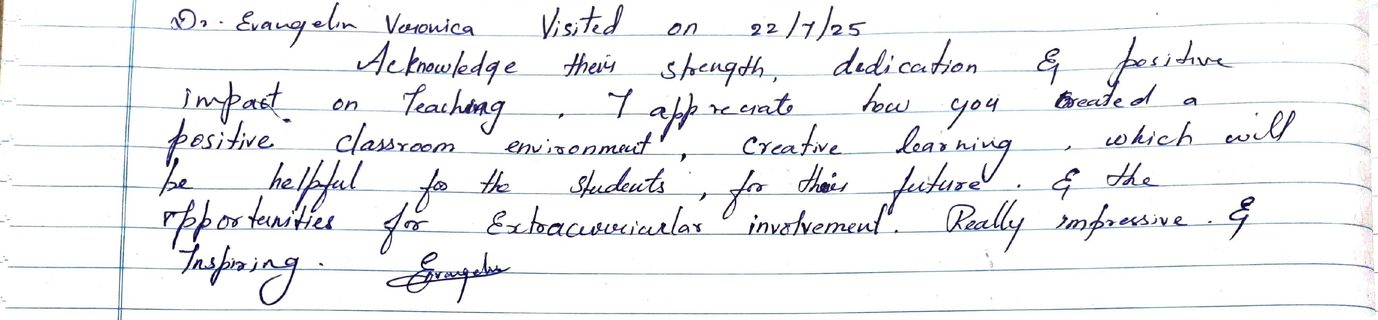
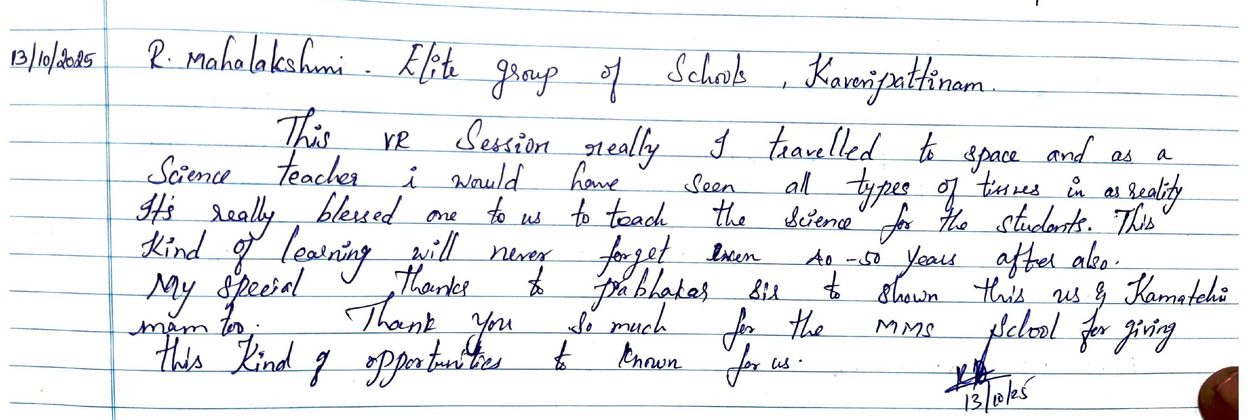
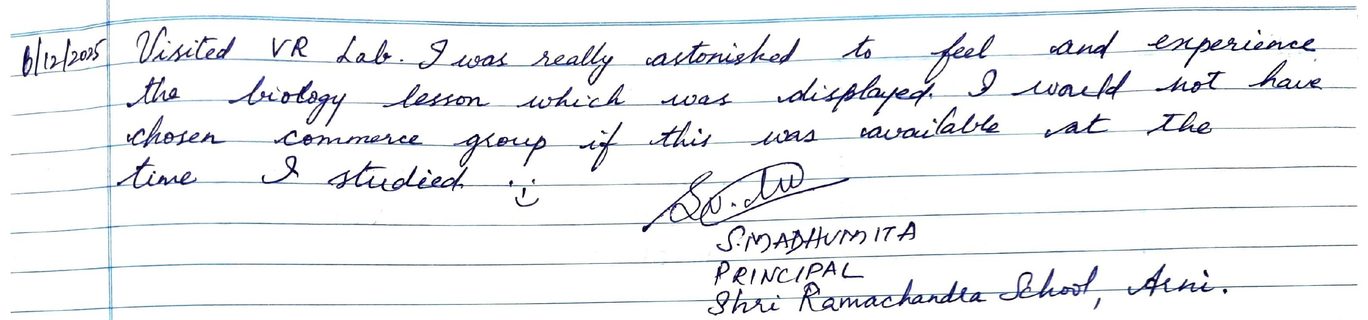
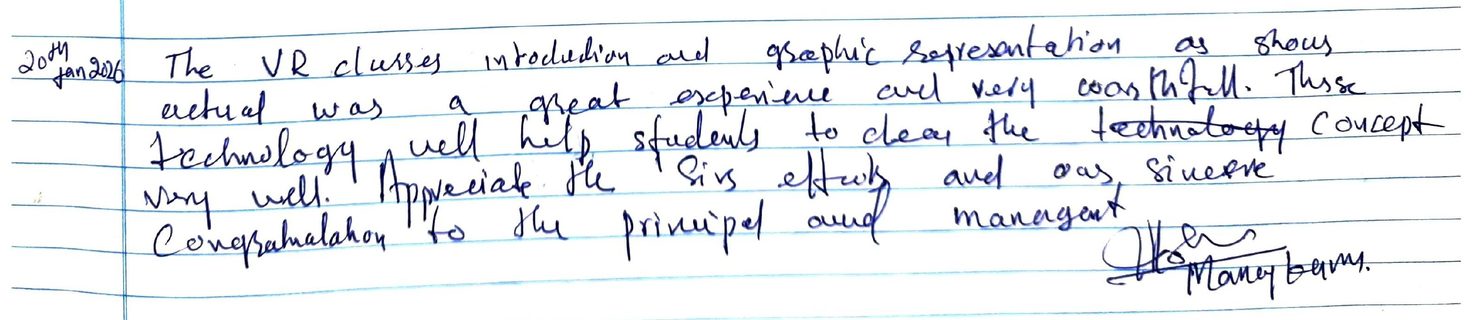
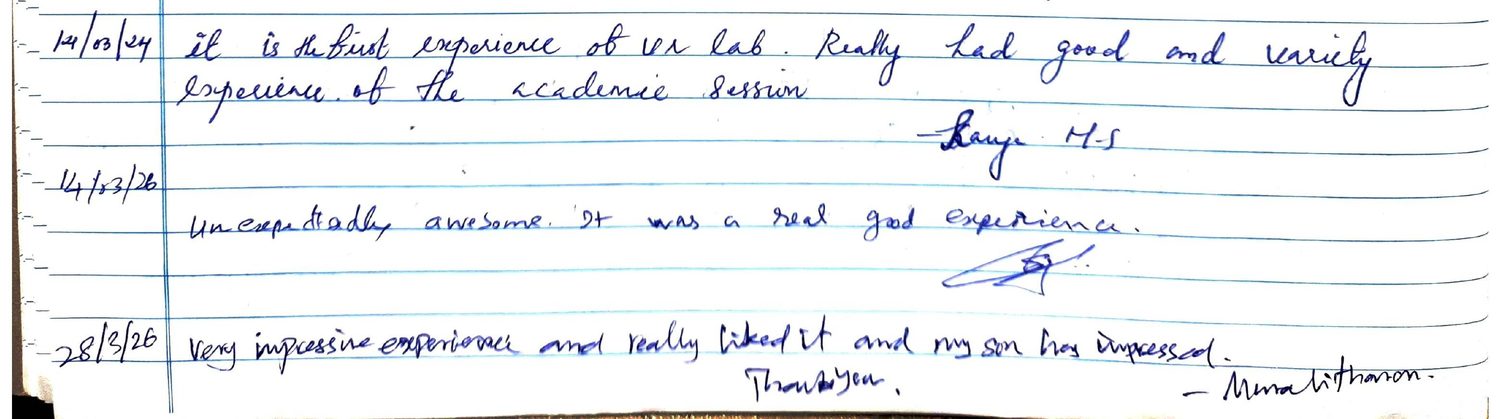
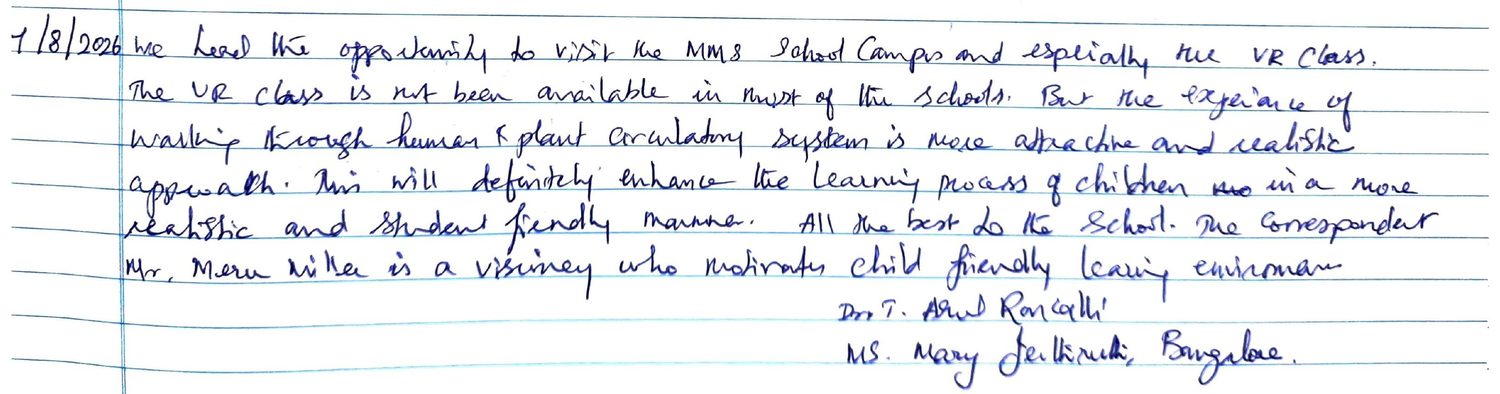
Pages from the VR Lab's own visitor feedback book, in the handwriting of the students, parents, teachers and guests who wrote them. Hover any note to pause and read it.




Eleven labs, one integrated ecosystem.
The VR Lab's headset stations run on Meta Quest 2. In line with Meta Quest's own platform account policy, Meta Quest headset sessions at the Centre of Excellence are available only to learners aged 13 years and older, broadly Grade 8 and above.
This is a hardware and platform-level requirement, not a limit on who gets to learn. Pre-Primary through Grade 7 learners experience the very same VR Lab curriculum through two formats built for their age group: Augmented Reality sessions on tablets and phones, where each student explores a 3D model on their own screen, and flat-screen or projector 360° video sessions, where the whole class experiences VR content together without wearing a headset.
This age requirement applies to who wears the headset, not just who owns the sign-in: Meta's own guidance for shared and institutional Quest use asks every wearer to be old enough for the account in use, and Meta's Quest-for-Education program itself is offered only to institutions whose students are 13 and above. Parents, guardians and teaching staff are responsible for supervising headset access and ensuring it is used only by learners who meet this requirement. Session formats are assigned by age group so that no learner misses out on the VR Lab curriculum.