LAB / 01
Agriculture Lab
Where children learn to grow food and care for living things: organic farming, hydroponics, a nursery and open fields, on a campus rich in fauna and flora.
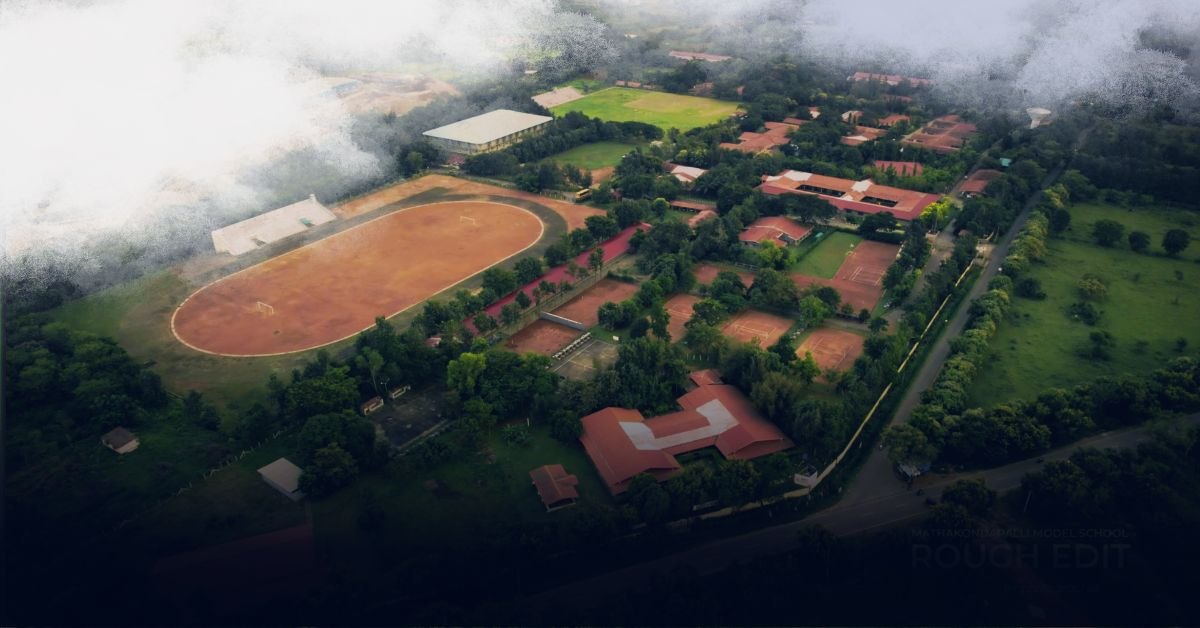
Where children learn to grow food and care for living things: organic farming, hydroponics, a nursery and open fields, on a campus rich in fauna and flora.
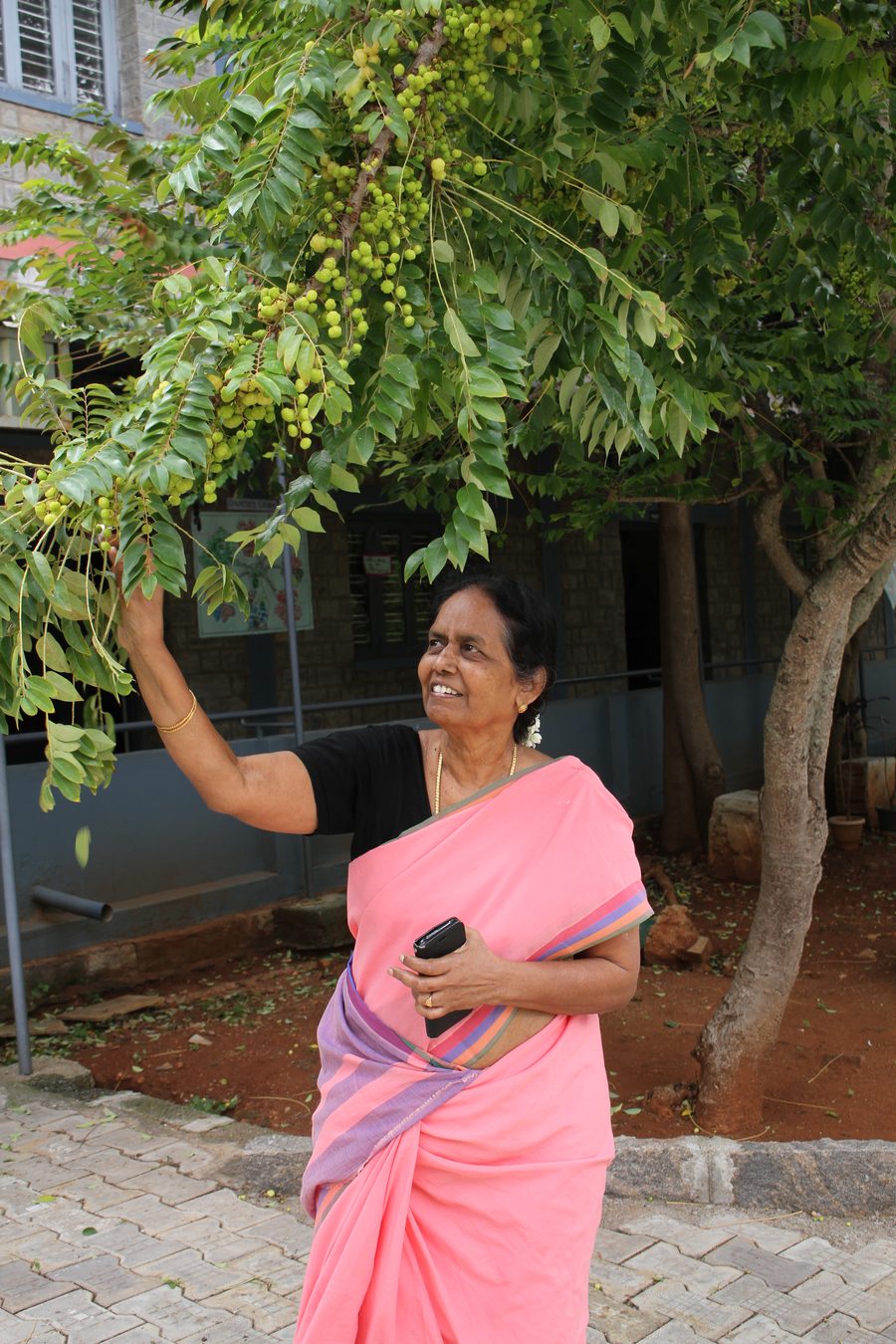
The fauna and flora of the MMS campus were envisioned and developed by our Campus Mother, Mrs. Prema Meru (Amma). What began as raw, bare land was cultivated, plant by plant, into a beautiful, oxygen-rich campus, with trees, flowers, gardens and fields that are now a living part of school life.
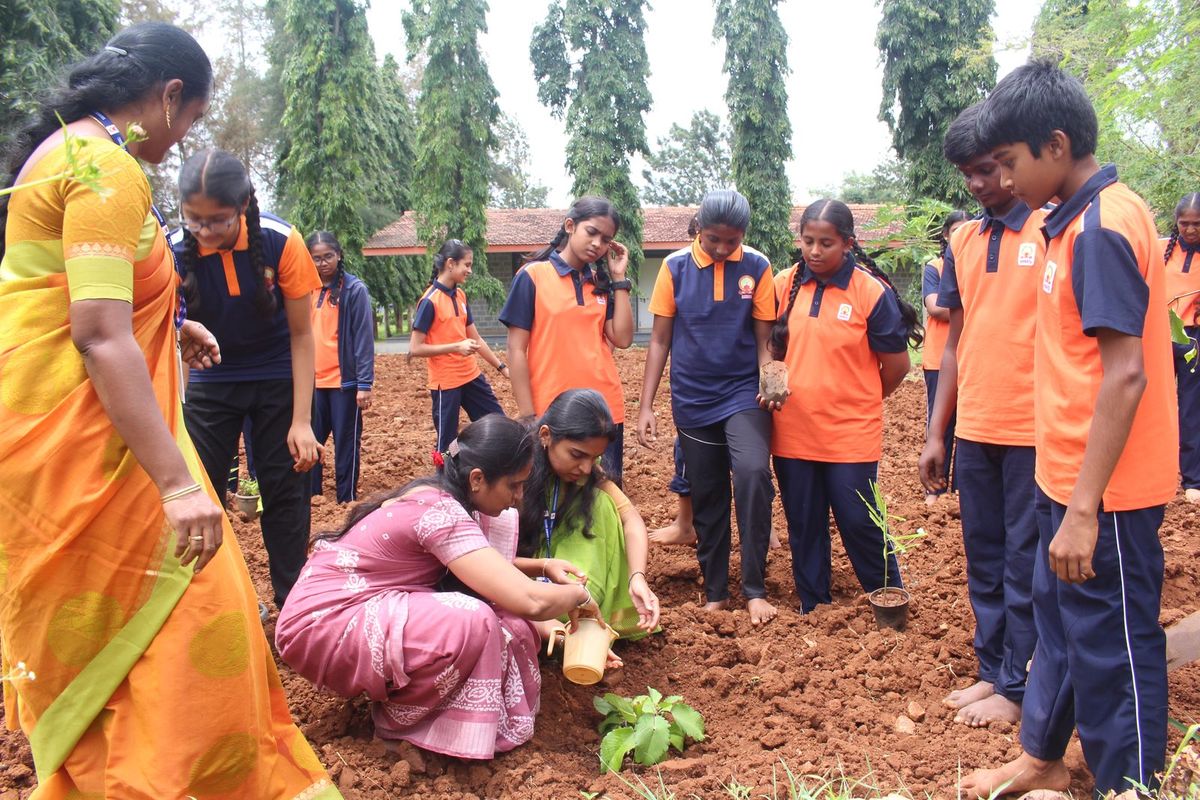
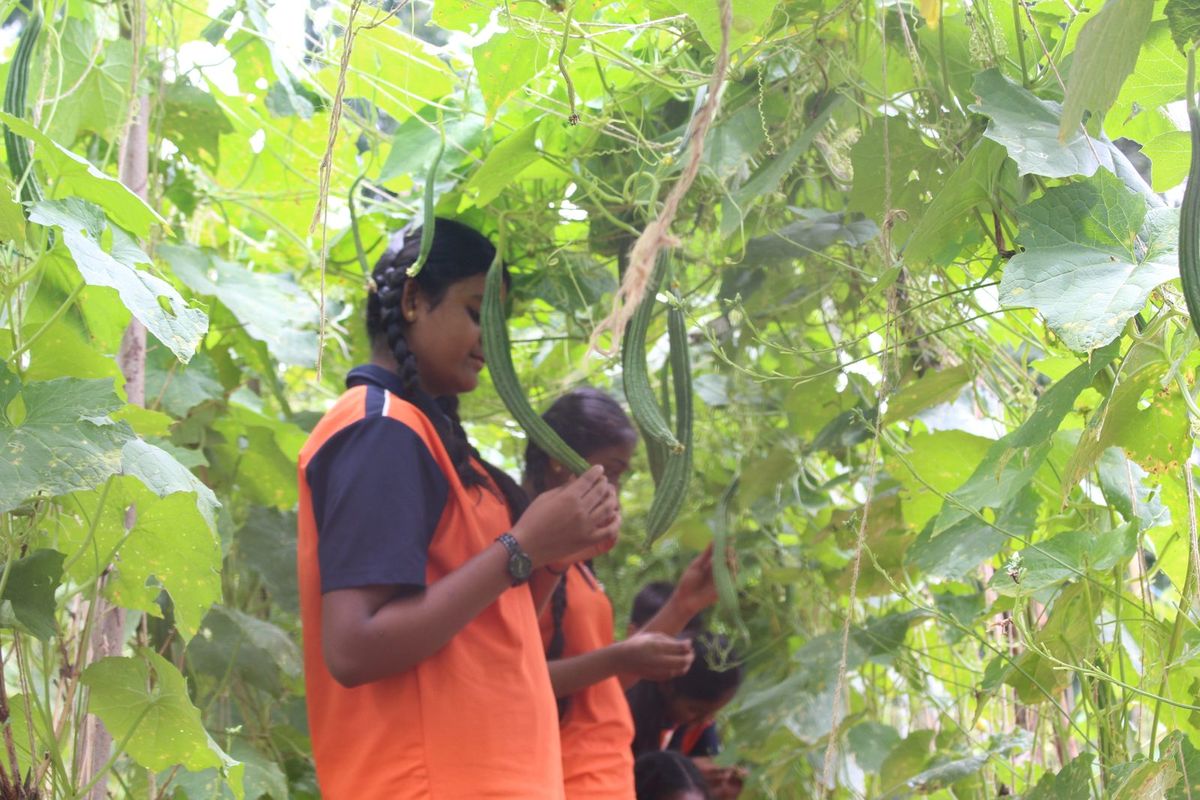
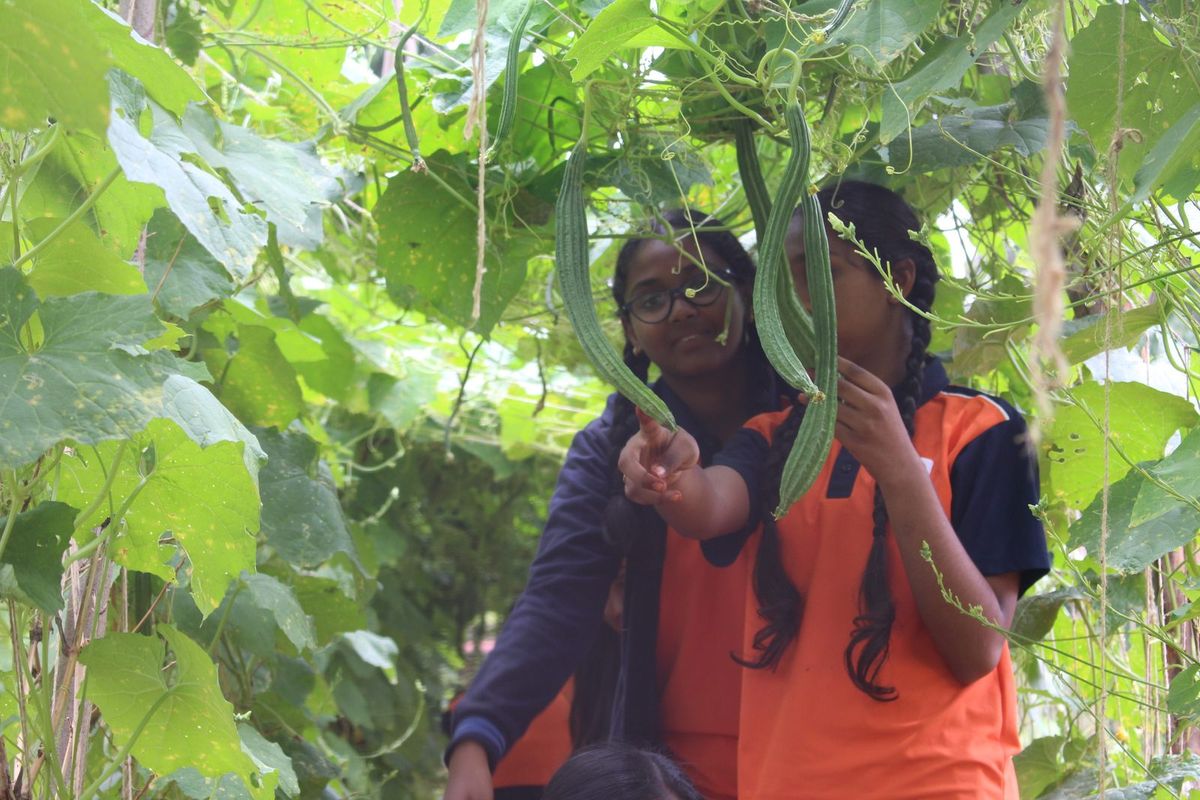
In the Agriculture Lab, children learn agriculture practices on this very campus. We follow only organic farming and hydroponics: fully pure and natural.
Our green campus, organic farming, hydroponics and nursery connect directly to seven of the United Nations Sustainable Development Goals. These are the goals our everyday practice supports.
Children grow real food and learn sustainable farming, a small step toward food security.
Pure, natural produce and time outdoors among plants support healthy bodies and minds.
Hands-on, experiential learning builds awareness of sustainable living from an early age.
Hydroponics teaches children to grow plants with careful, efficient use of water.
Organic, natural methods and growing food on campus show what responsible production looks like.
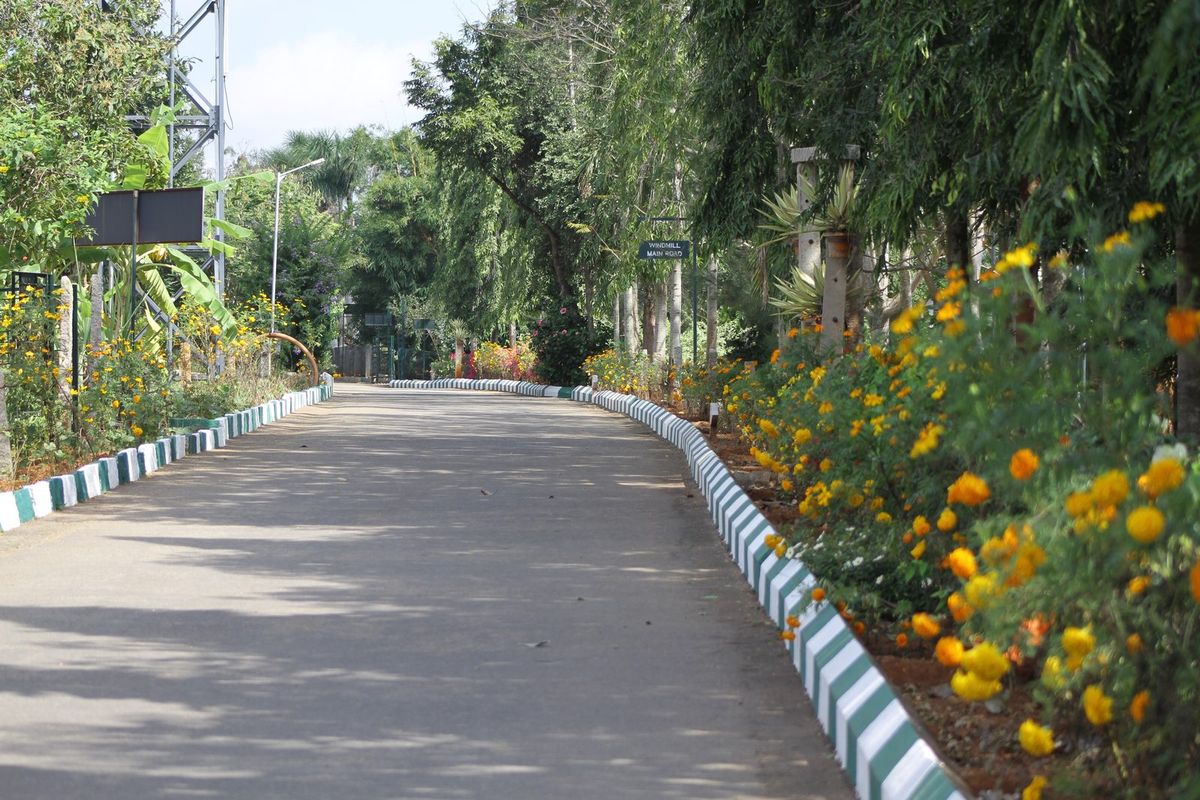
A green, oxygen-rich campus of trees and gardens, grown from bare land, cools and cleans the air.
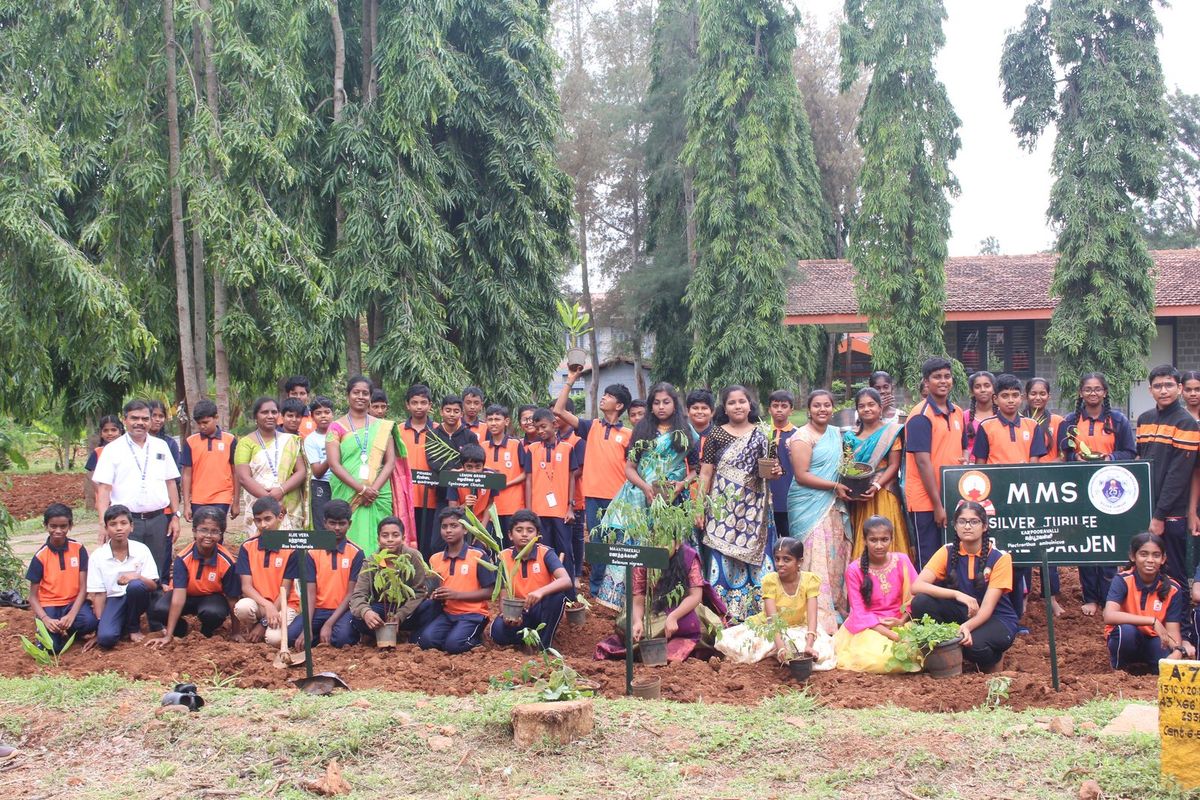
Fauna and flora now flourish where there was once bare land, and children learn to protect them.
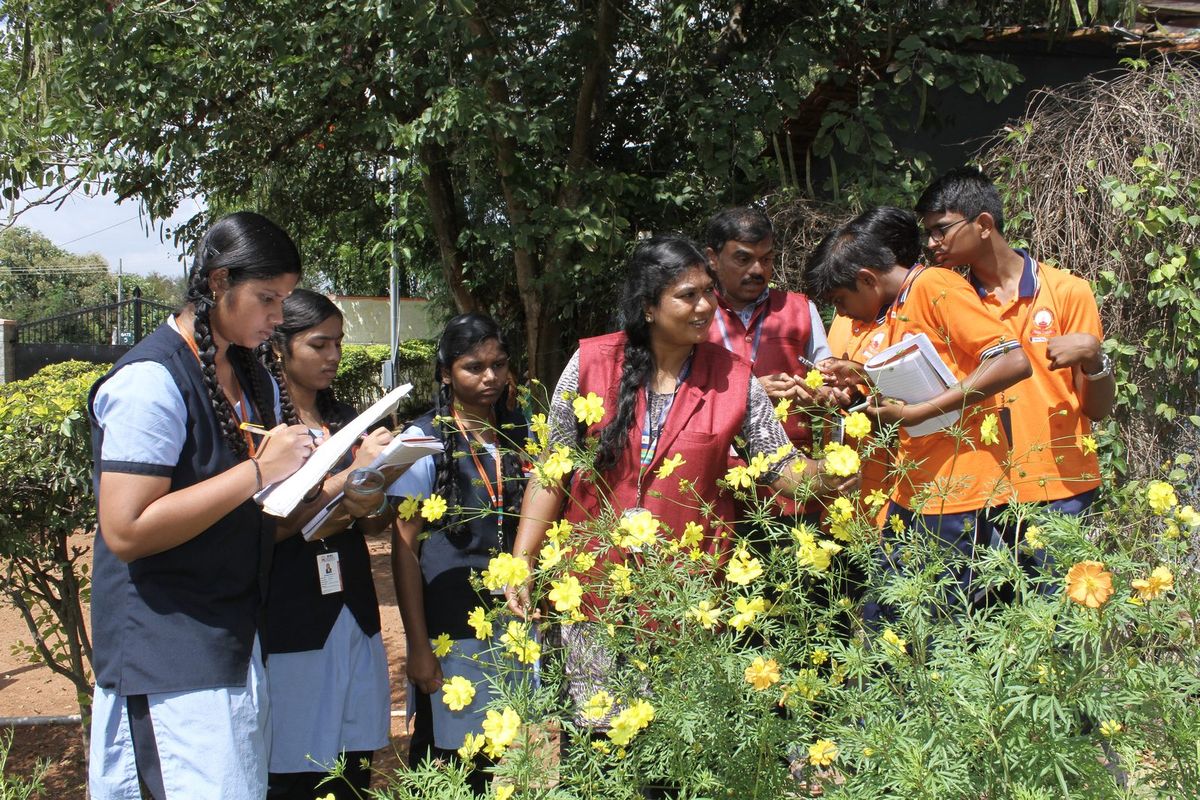
Children grow up among trees, flowers and the wildlife they attract, and learn to observe, name and care for the living things around them.
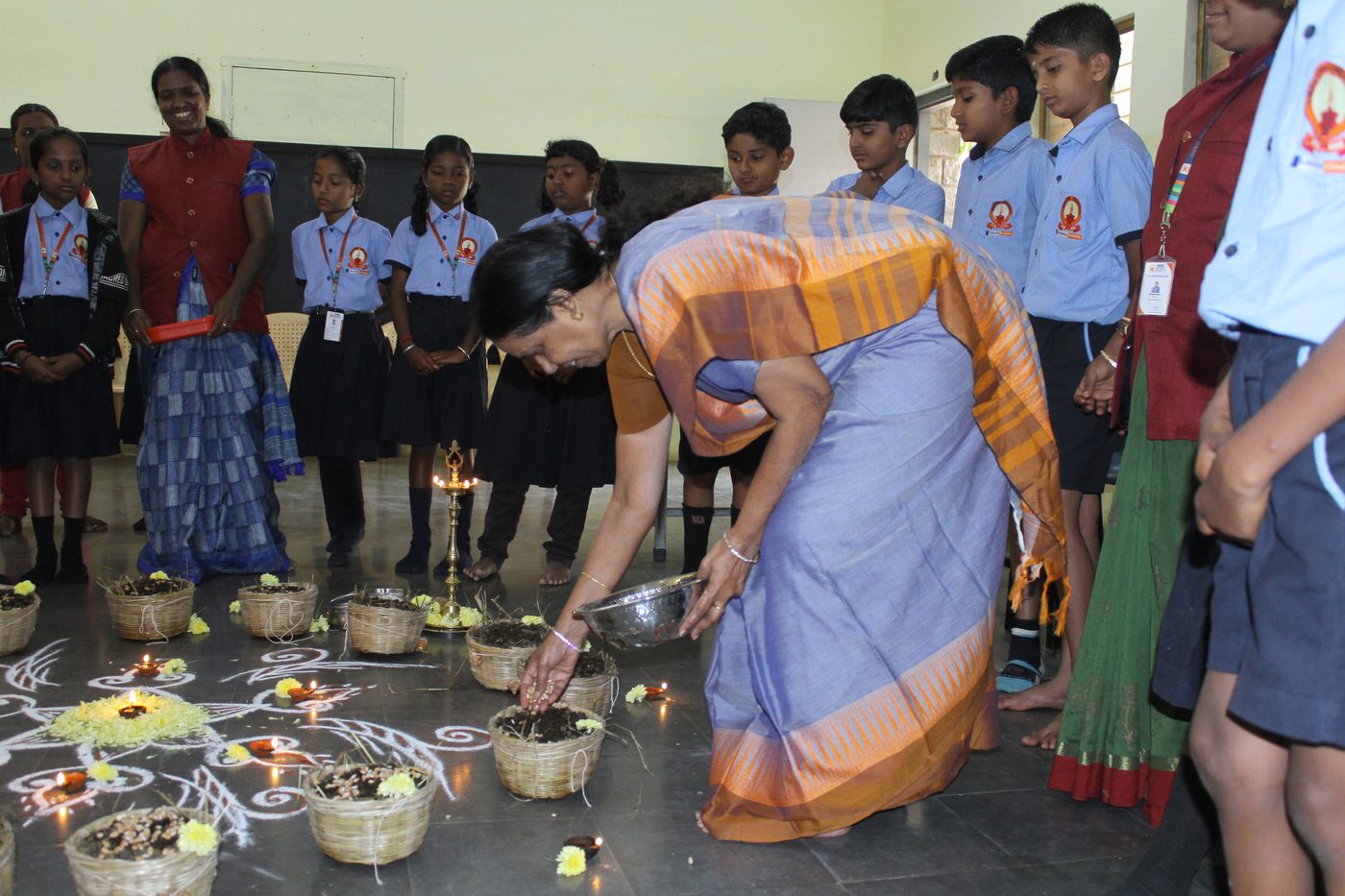
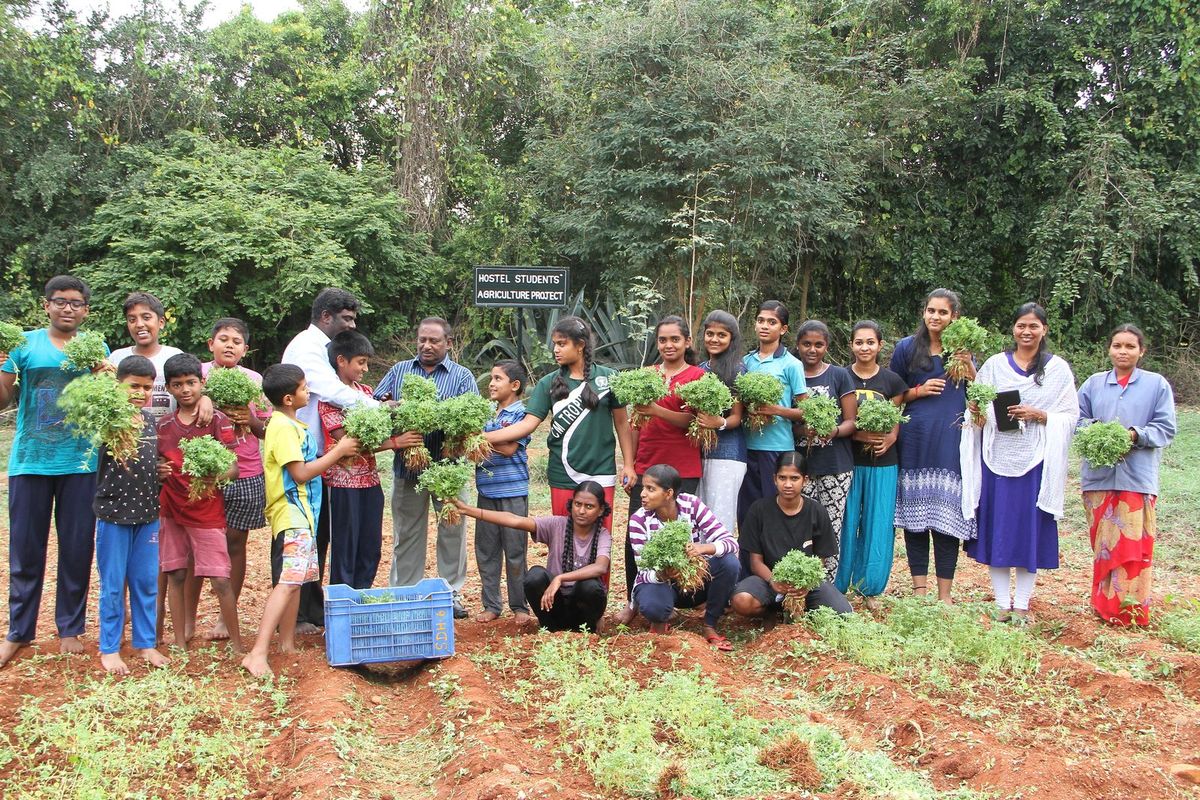
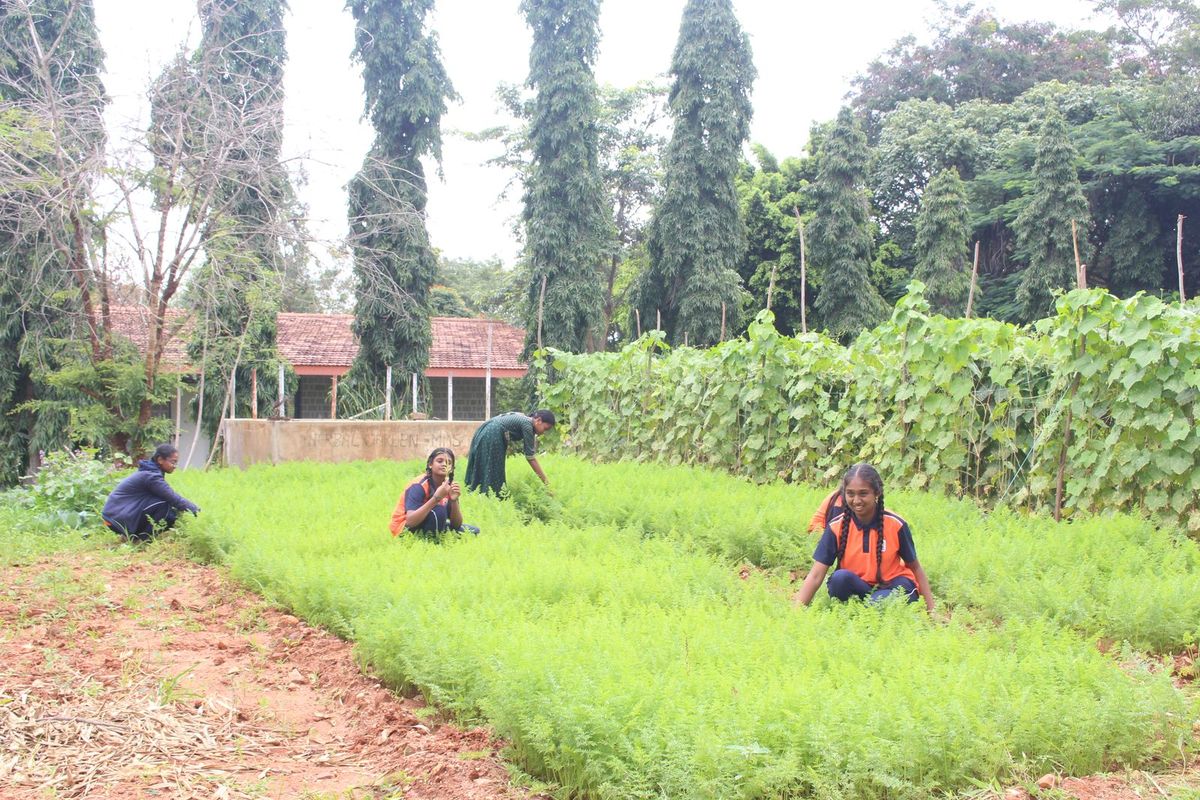
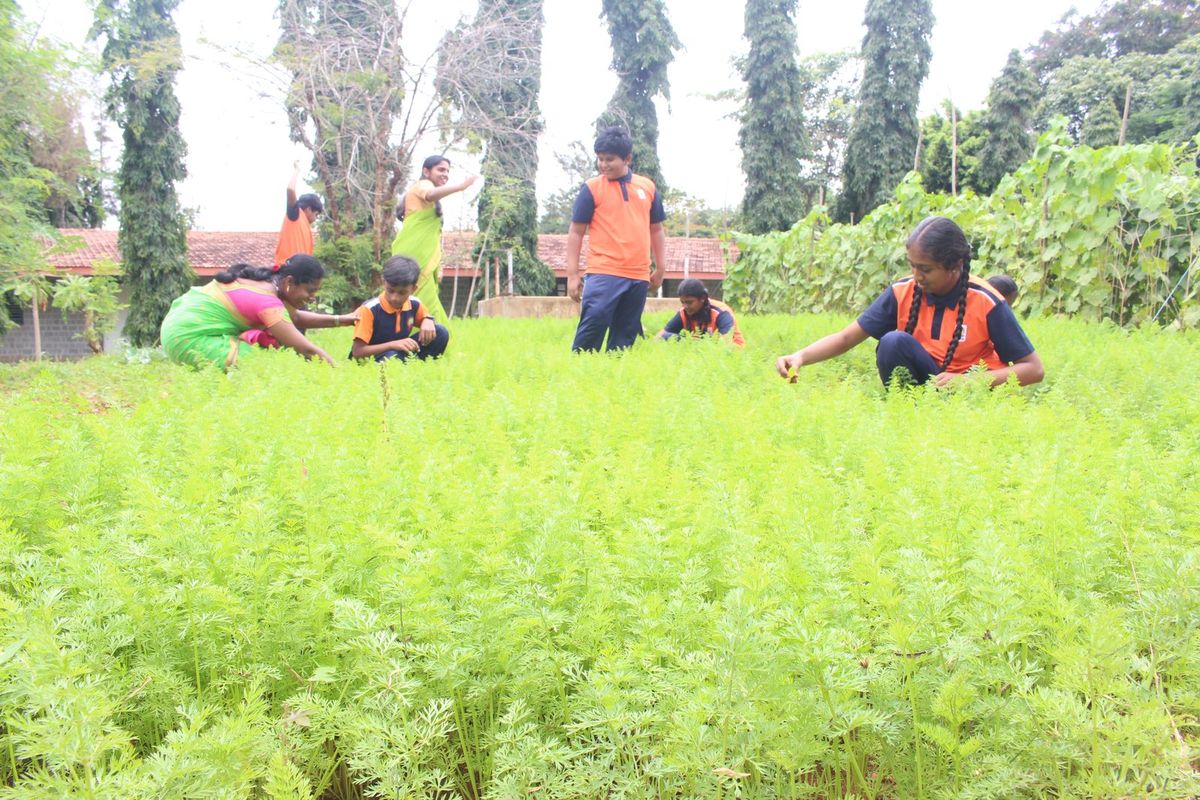
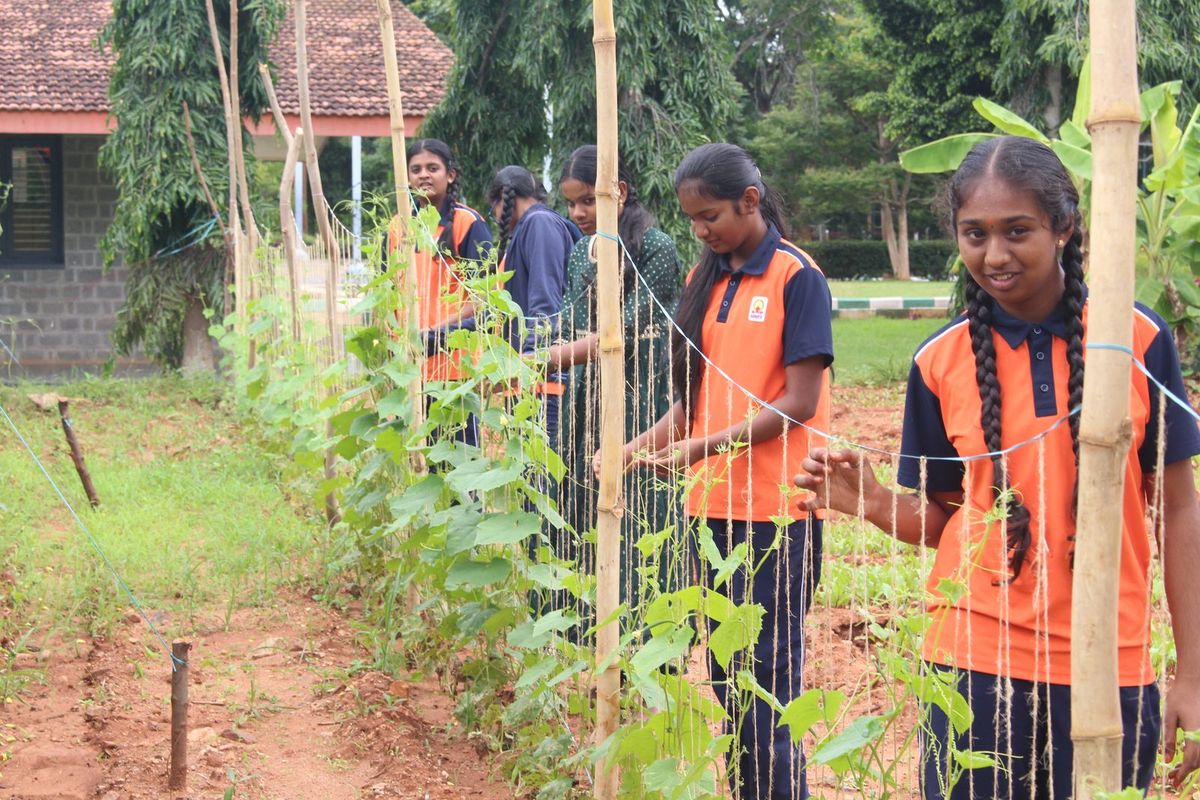
We follow only organic farming. Crops are grown naturally, so what children sow, tend and harvest is fully pure and natural.
Alongside soil-based farming, children are introduced to hydroponics, a modern way of growing plants in nutrient-rich water instead of soil.
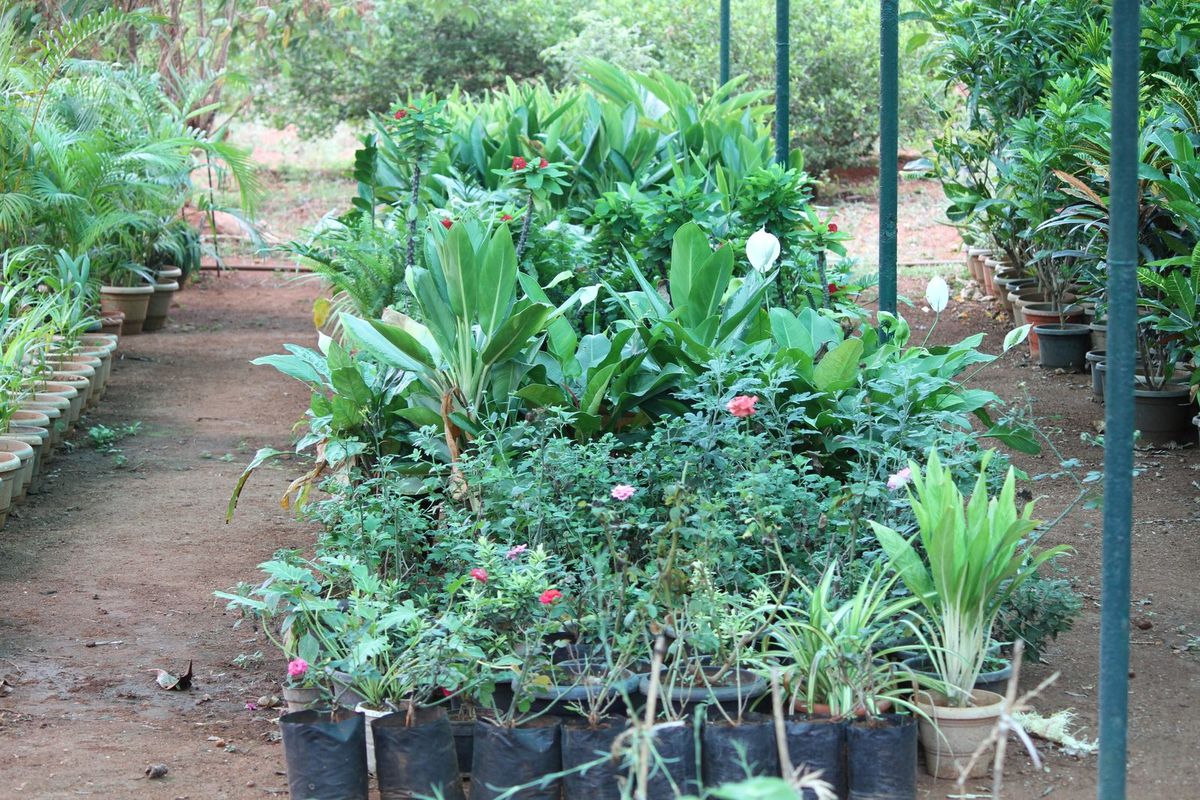
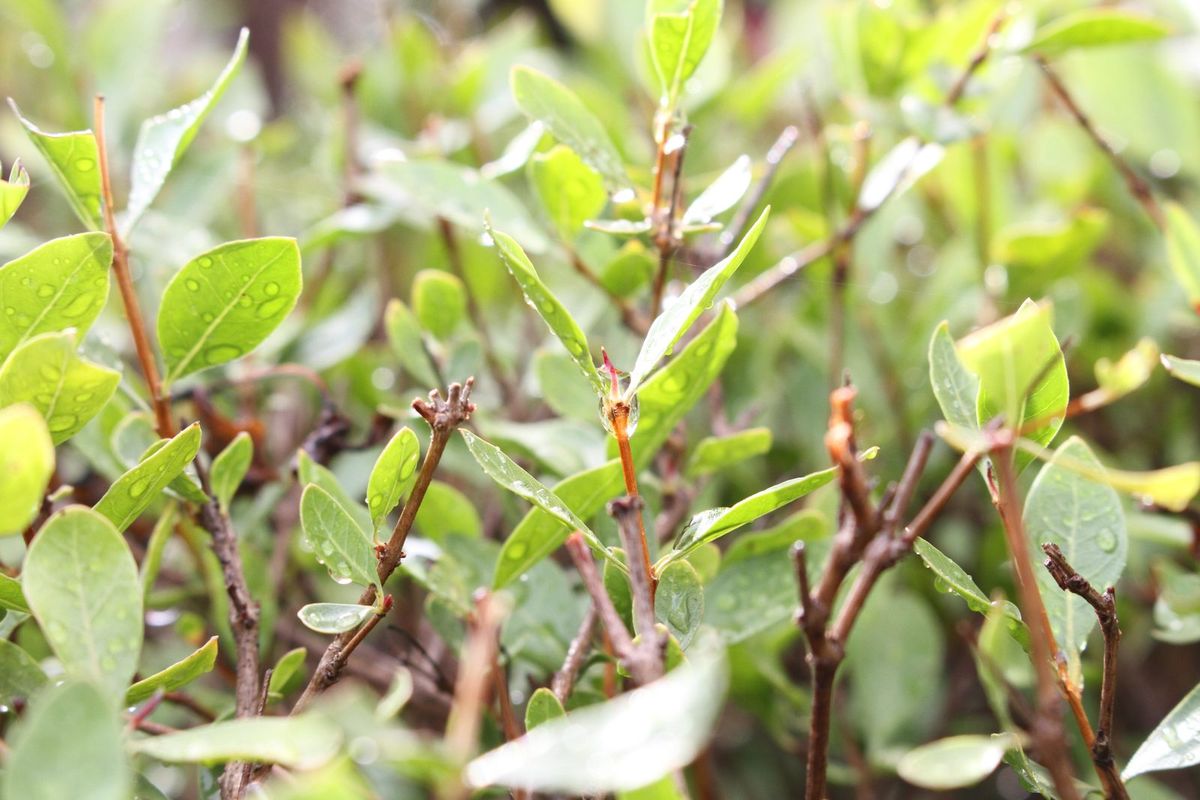
In the campus nursery, children see how a seed becomes a sapling, and help raise the young plants.
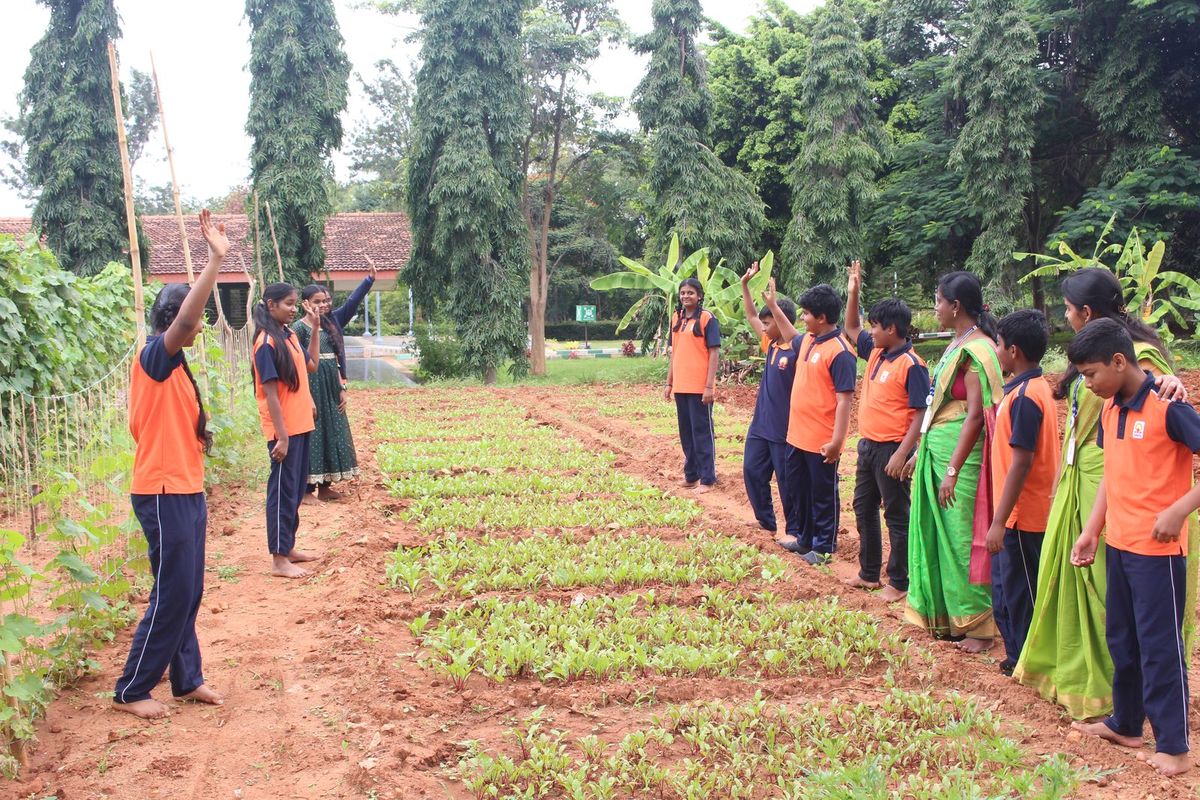
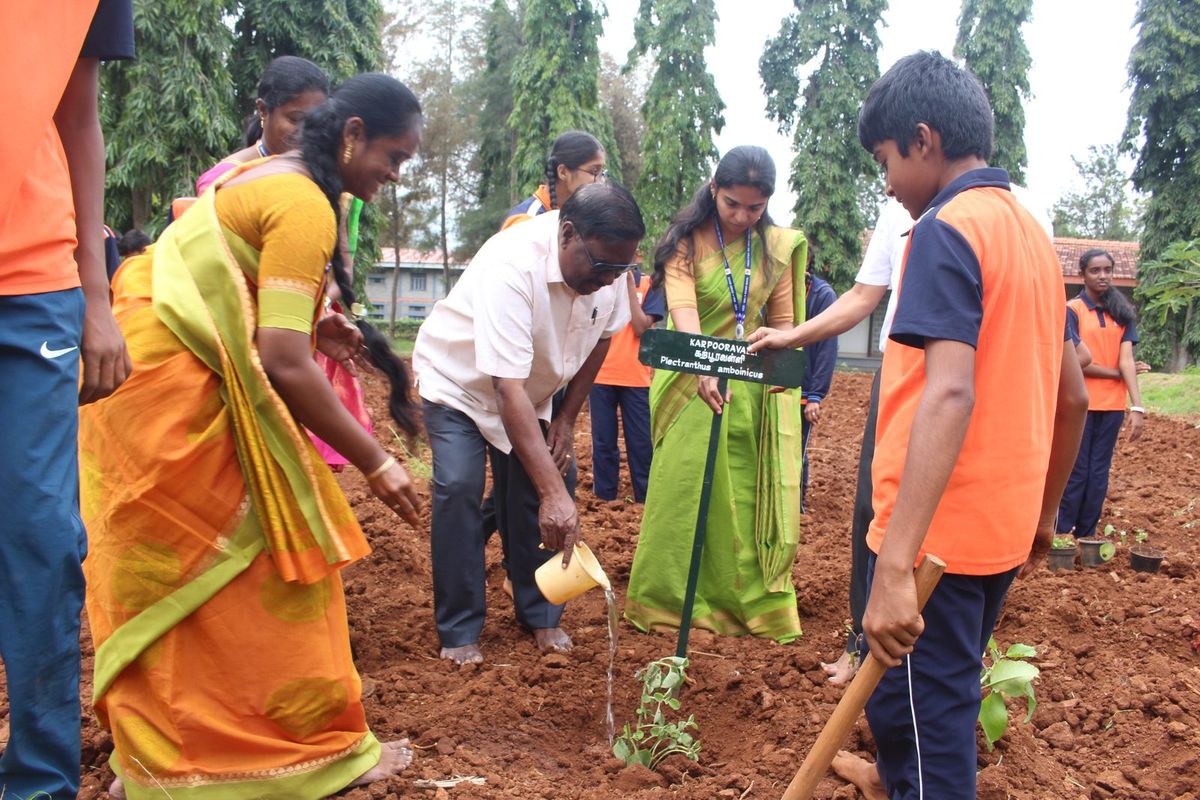
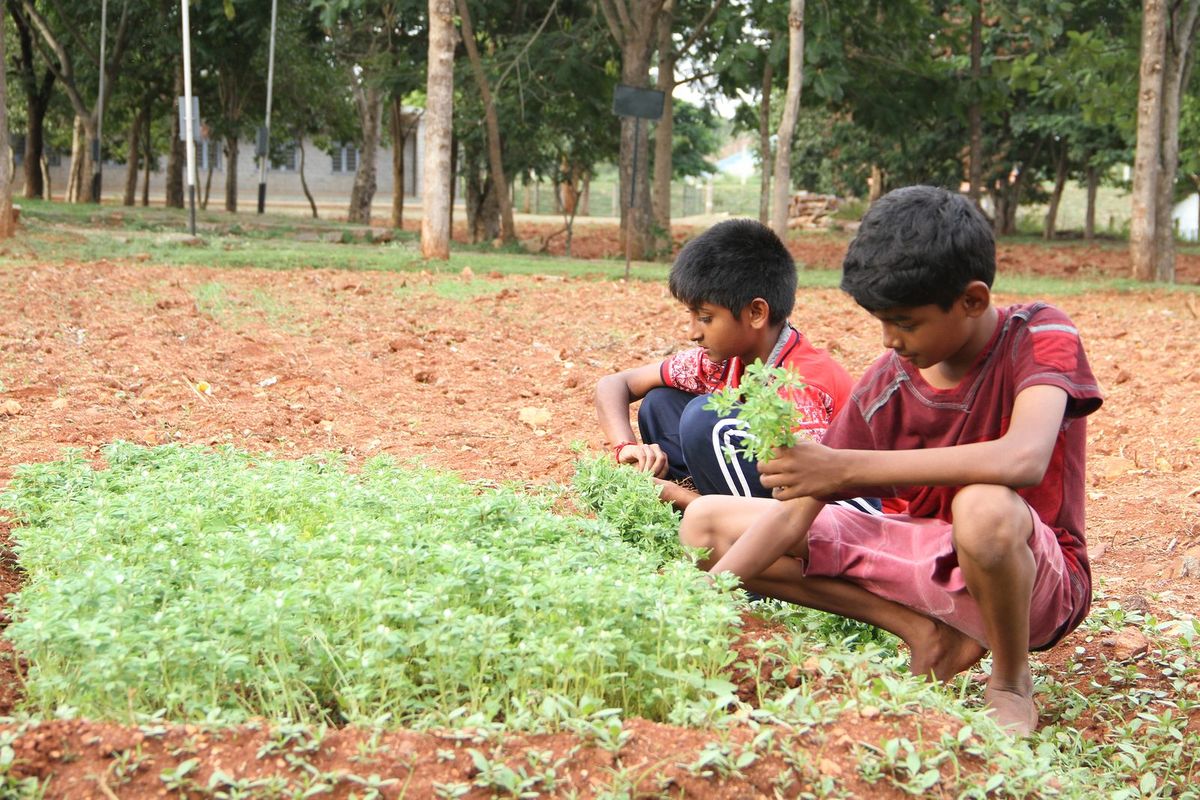
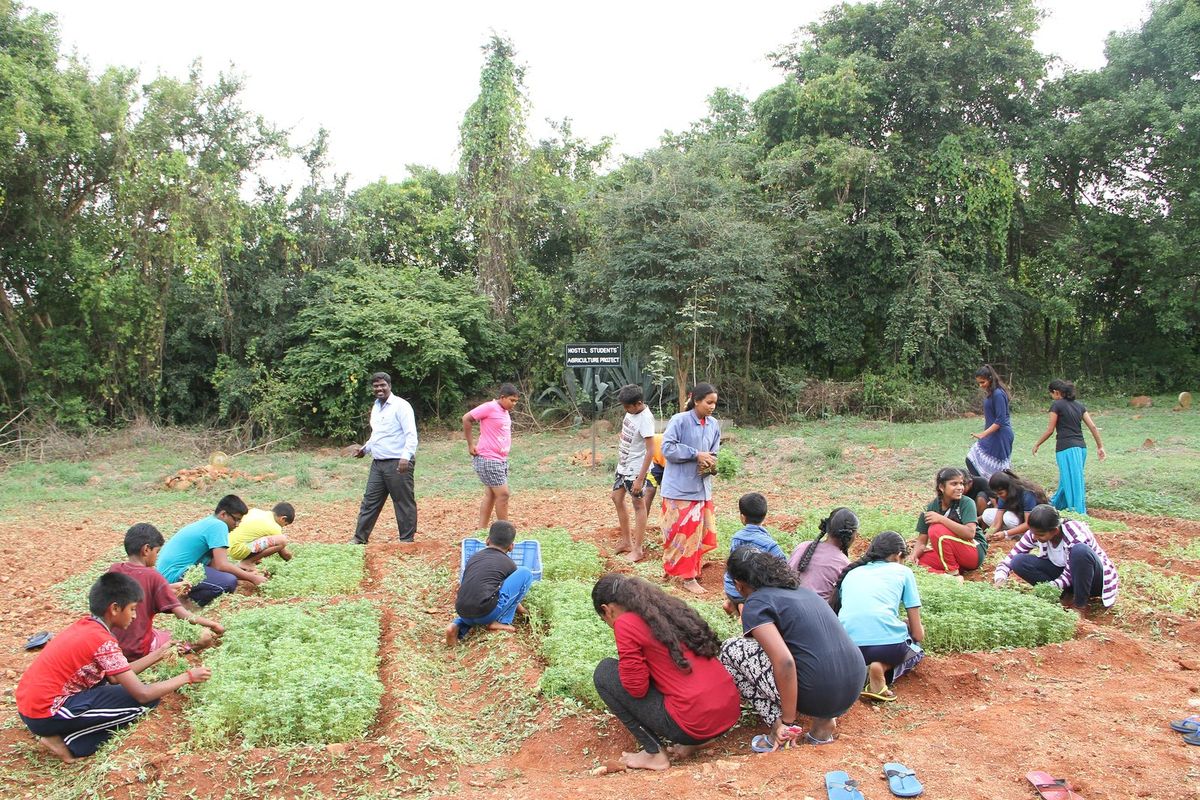
Open fields are set aside for cultivation, where interested students find a place to learn and grow along with the plants.
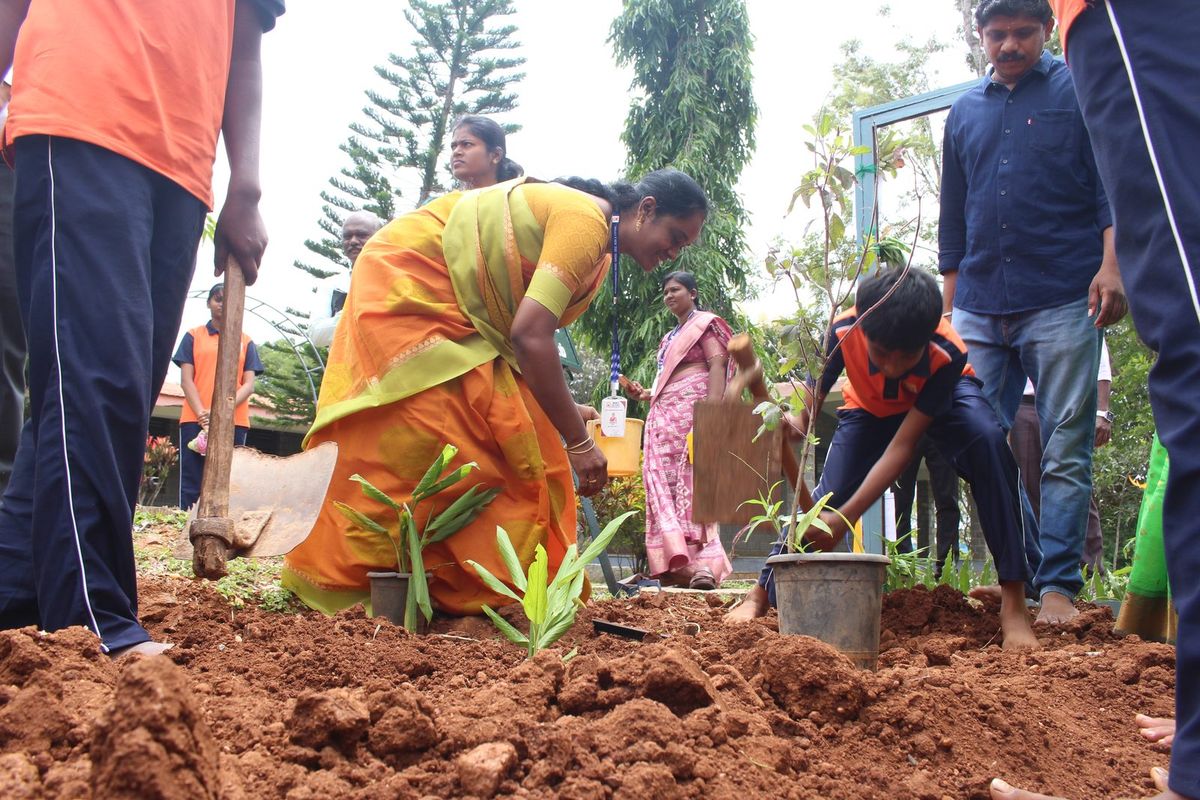
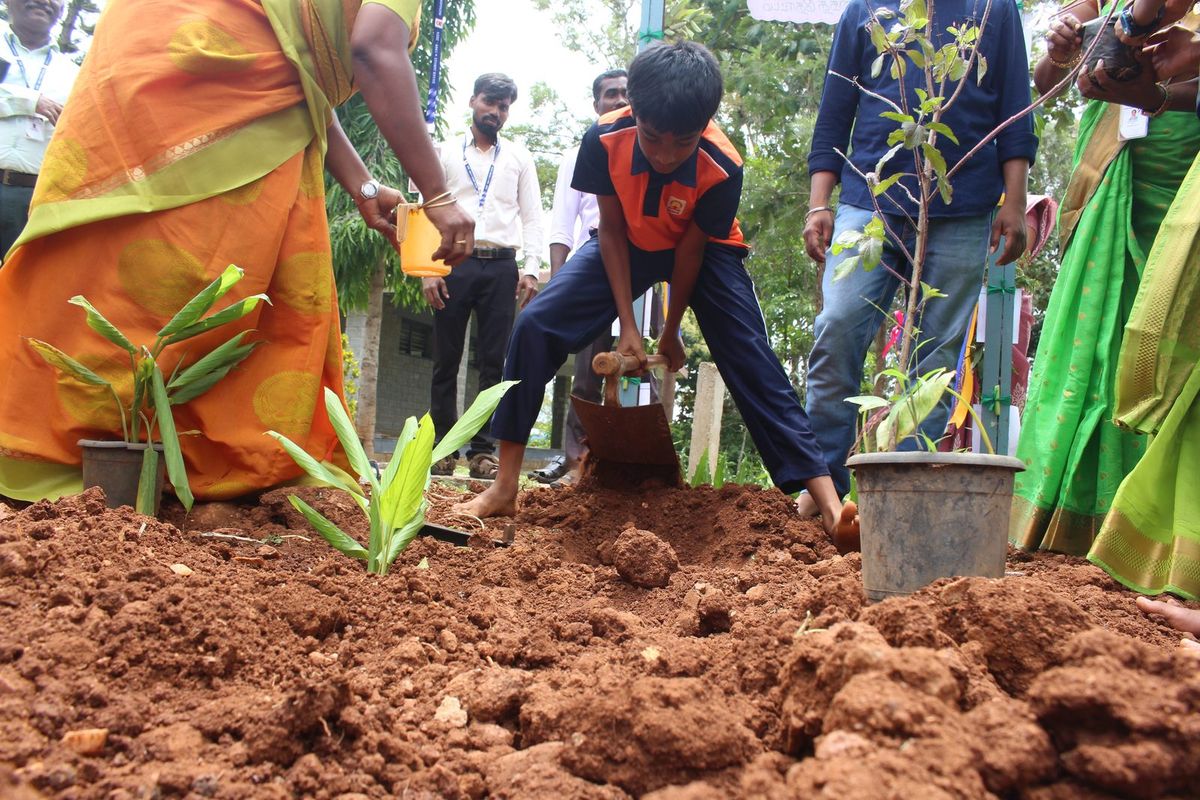
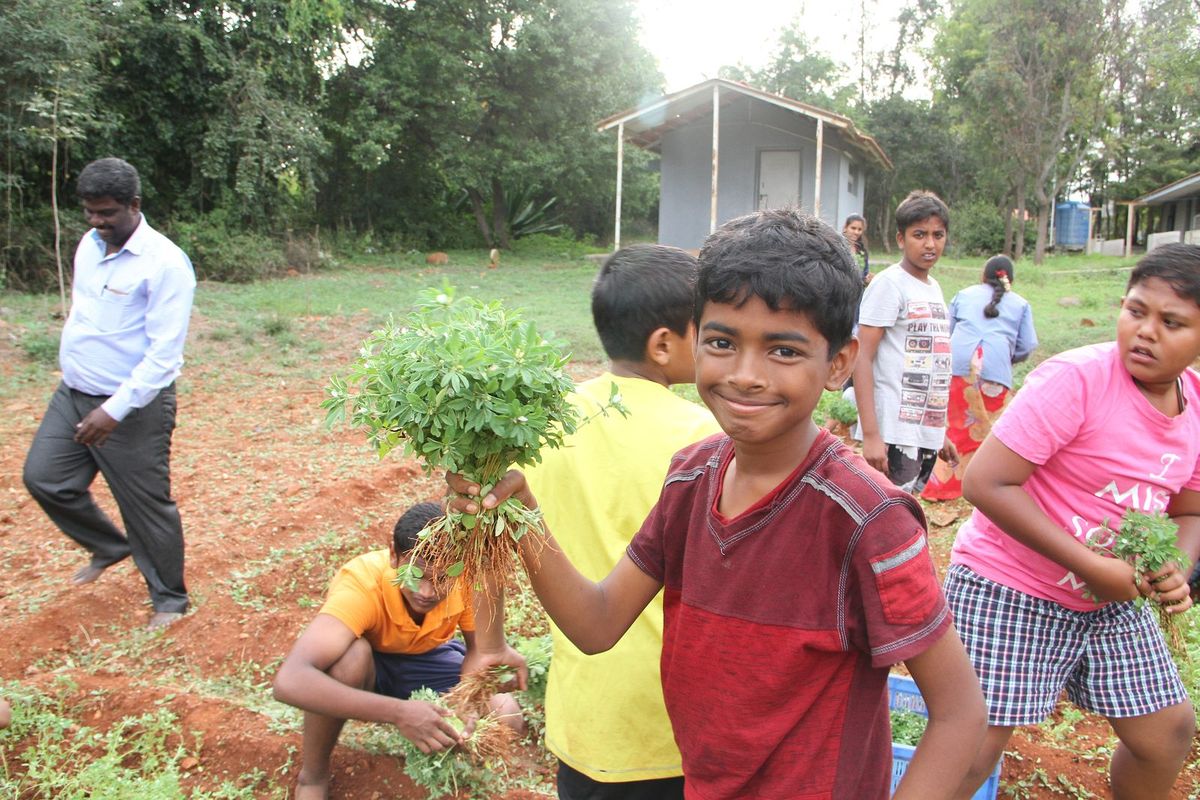
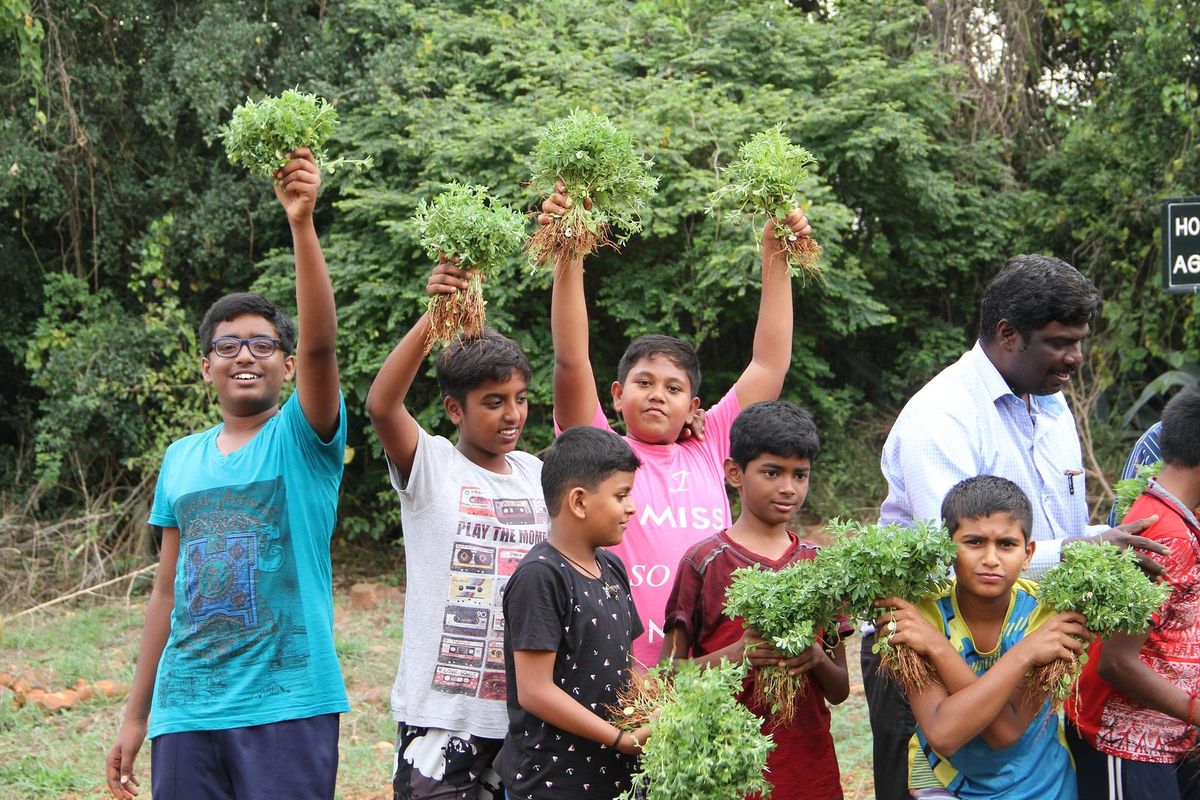
From sowing to watering to harvest, children learn with their own hands, with teachers and staff guiding them at every step.
Eleven labs, one integrated ecosystem.